

West Contra Costa Transportation Commission
Richmond Parkway Transit Plan — Board briefing 4
Narrowing the options towards a preferred concept.
Presentation · 2024 · 30 figures · about 9 min to read
Narrowing the options towards a preferred concept.
Superseded — Kept for the record. A later document replaces it. Read the document that replaced it: Richmond Parkway Transit Plan
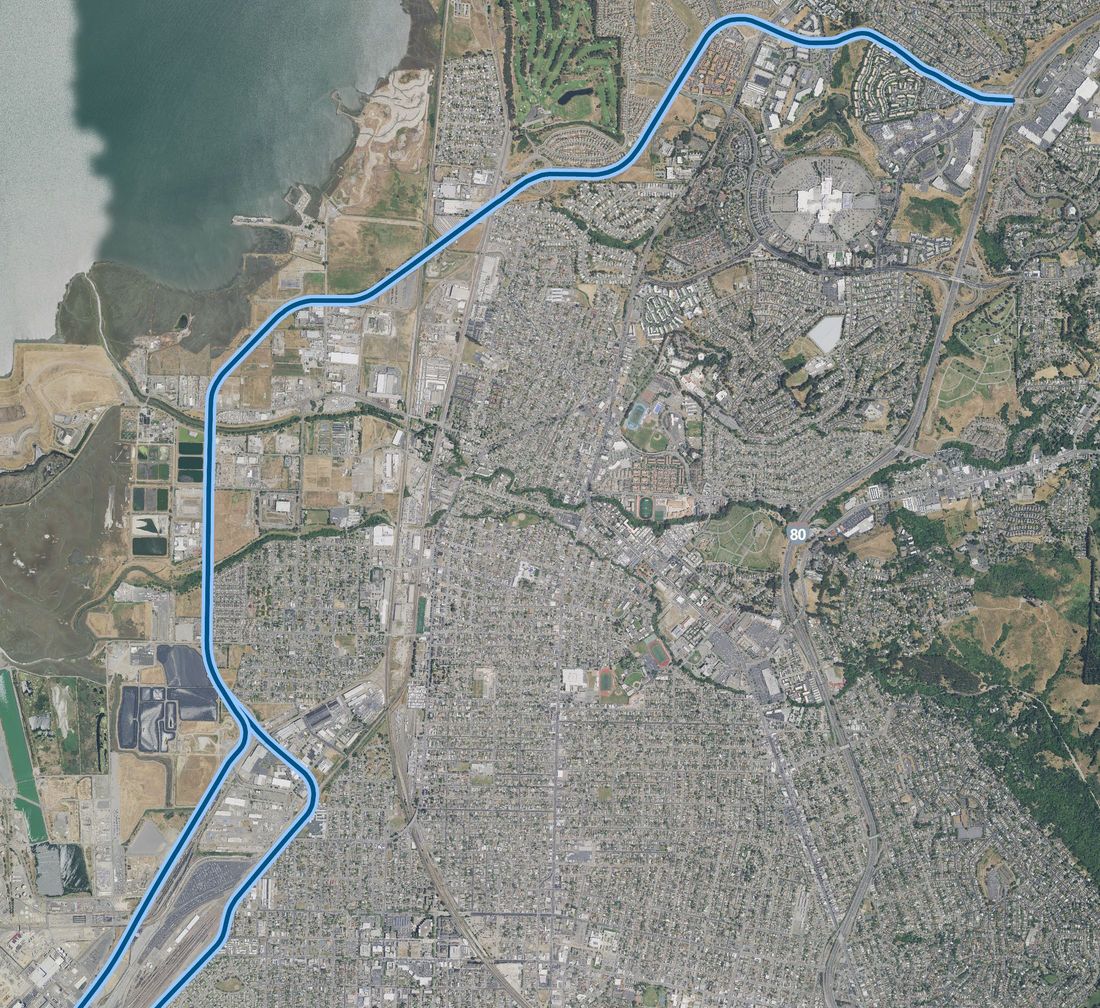
RICHMOND PARKWAY TRANSPORTATION PLAN October 25, 2024 Presentation prepared October 17, 2024. https://www.WestContraCostaTC.gov
WCCTC Board
Meeting #4
Priority Strategies, Funding & Implementation
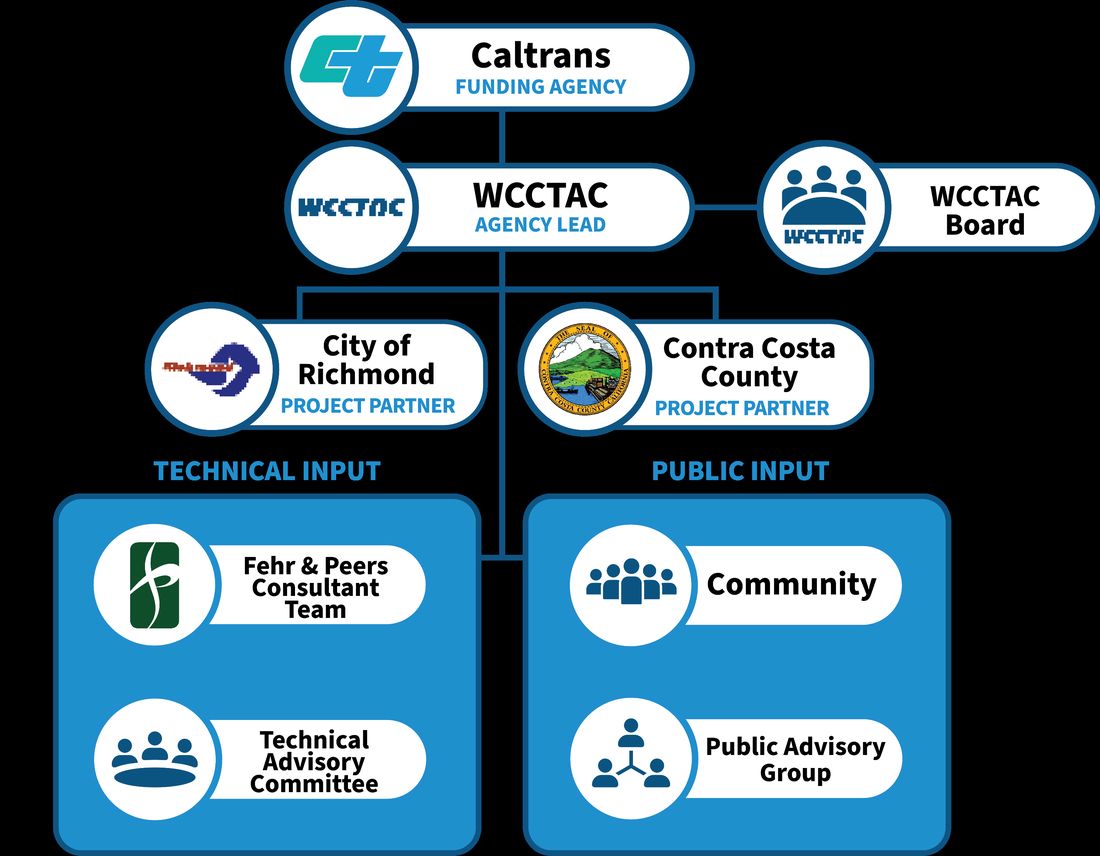
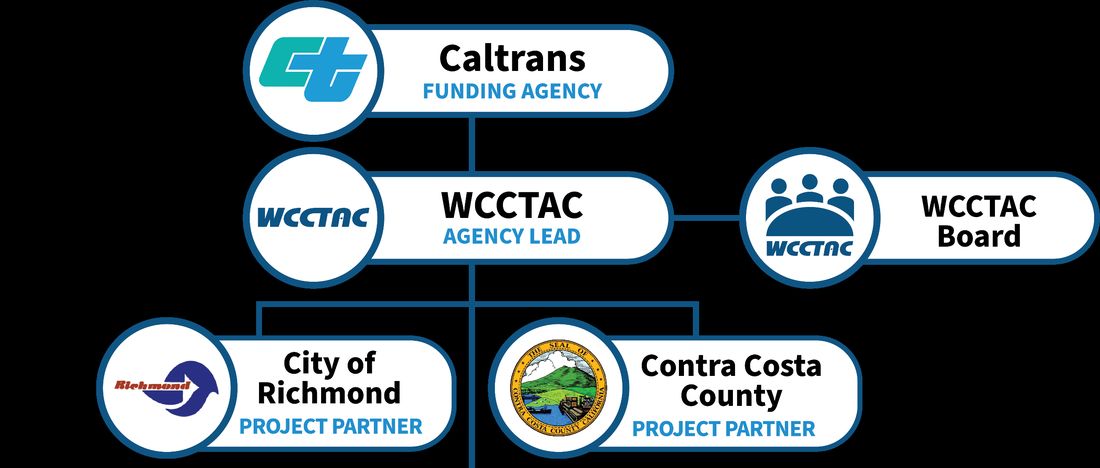
Project
Organization
WCCTC
Agenda
Project Recap Priority Strategies Funding & Implementation Next Steps
RICHMOND PARKWAY TRANSPORTATION PLAN
Project Recap
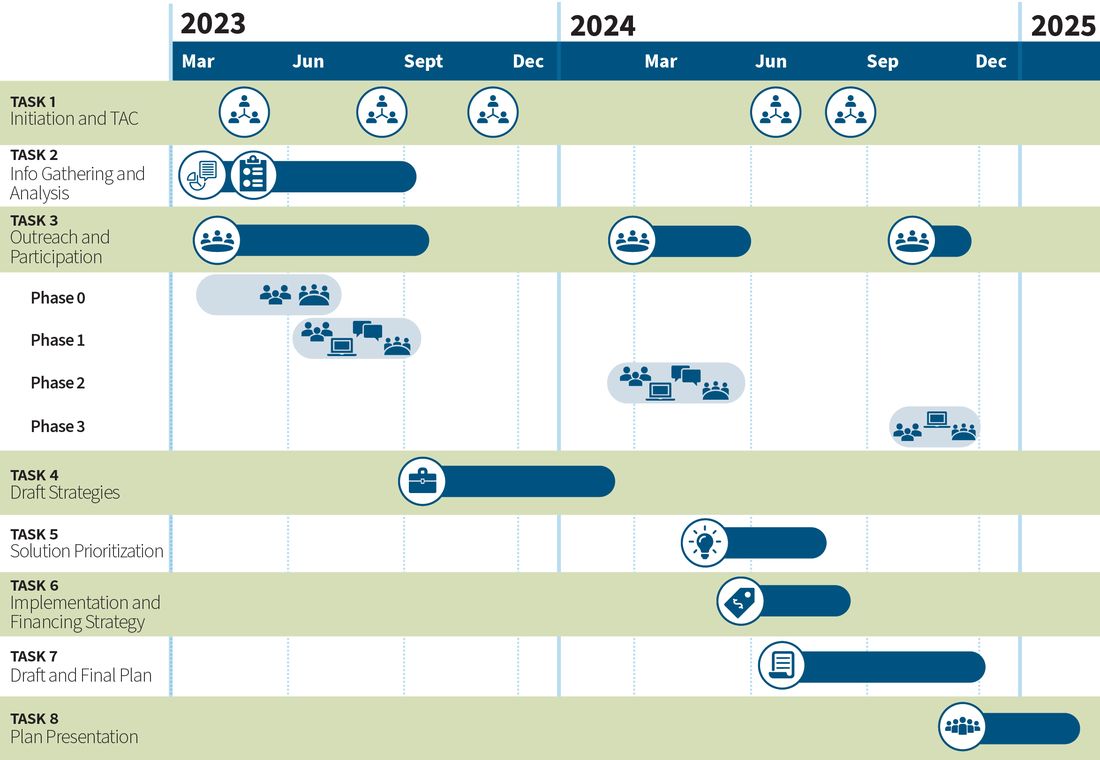
Schedule
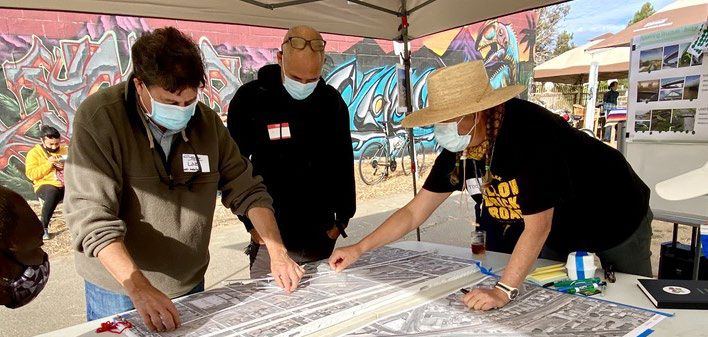
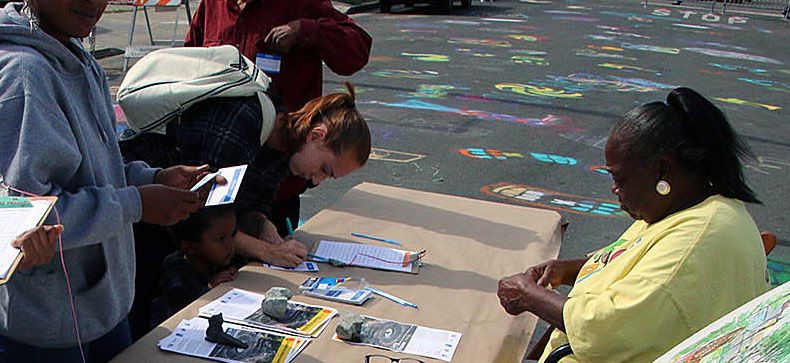
Phase 3 Opportunities for Public Input WCCTC
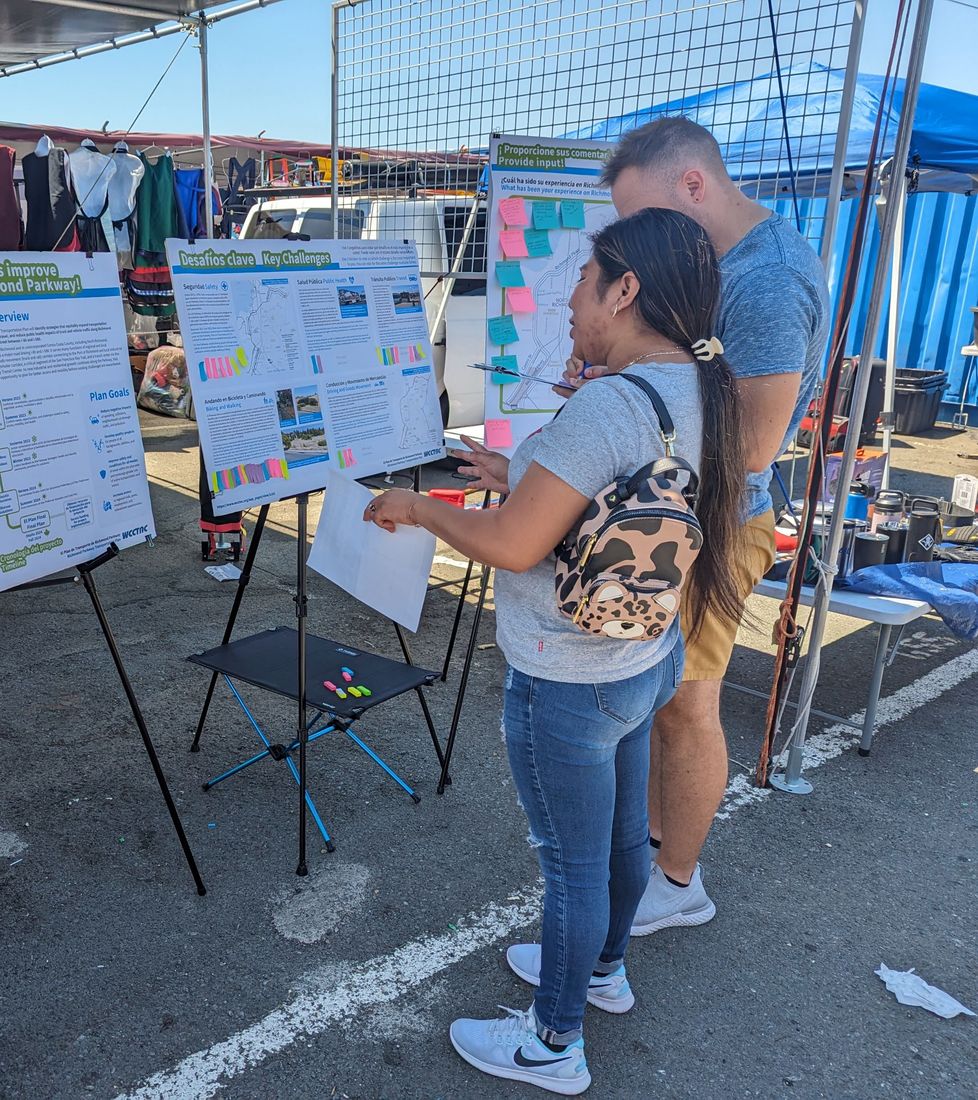
Strategies Overview
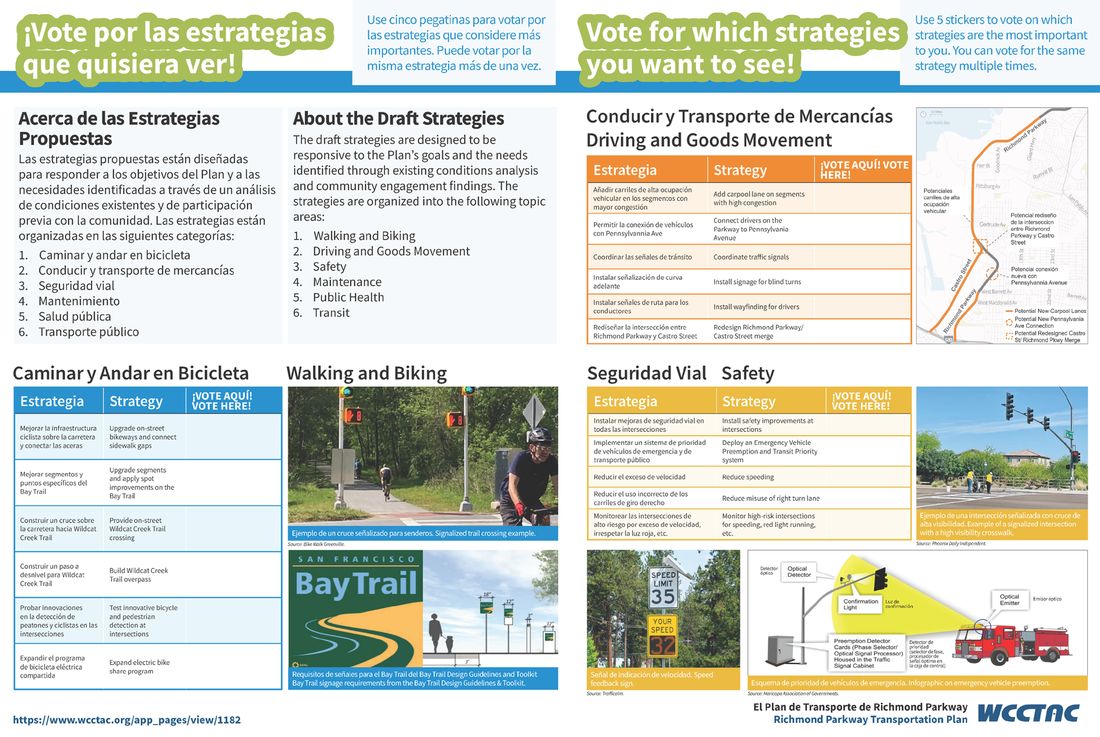
The strategies are designed to be responsive to the Plan’s goals and the needs identified through existing conditions analysis and community engagement findings.
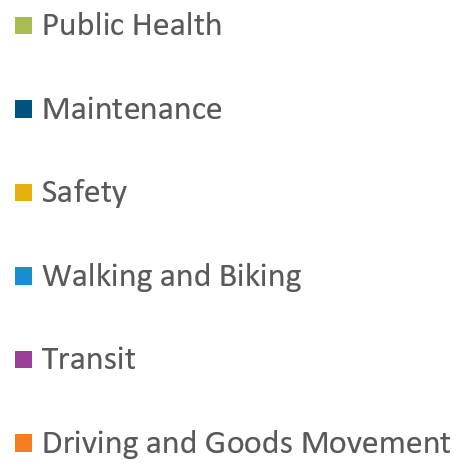
The strategies are organized into the following categories:
- Public Health
- Safety
- Walking and Biking
- Driving and Goods Movement
- Maintenance
- Transit
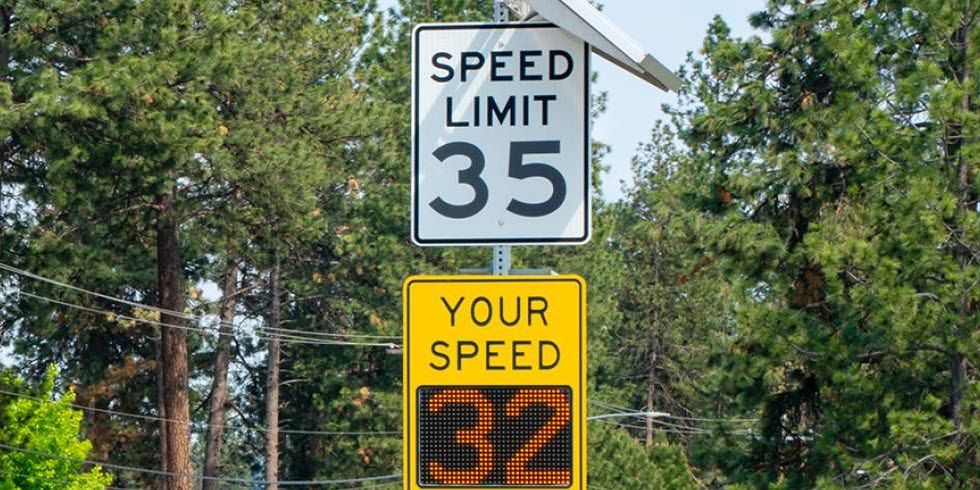
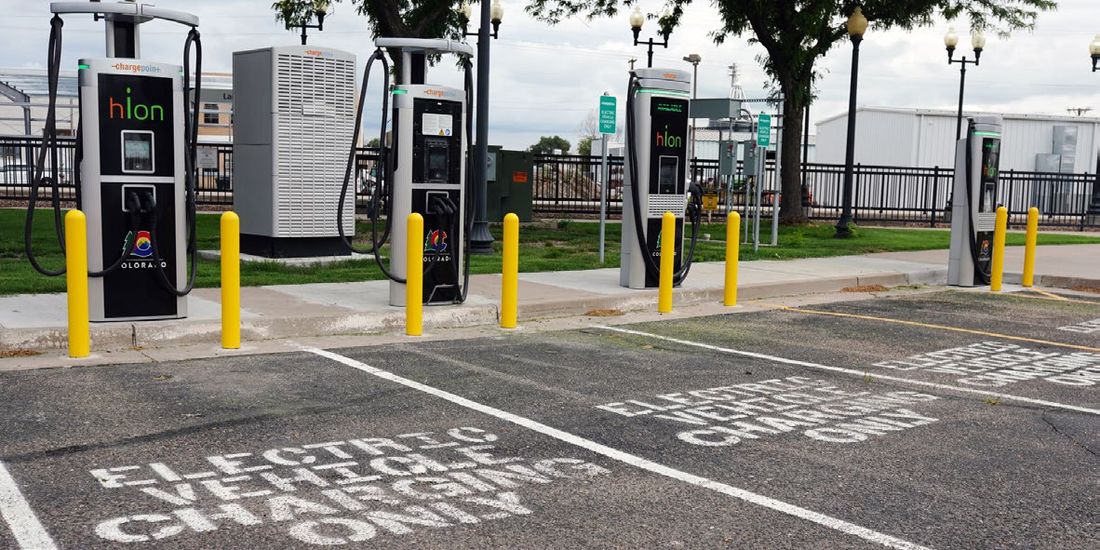
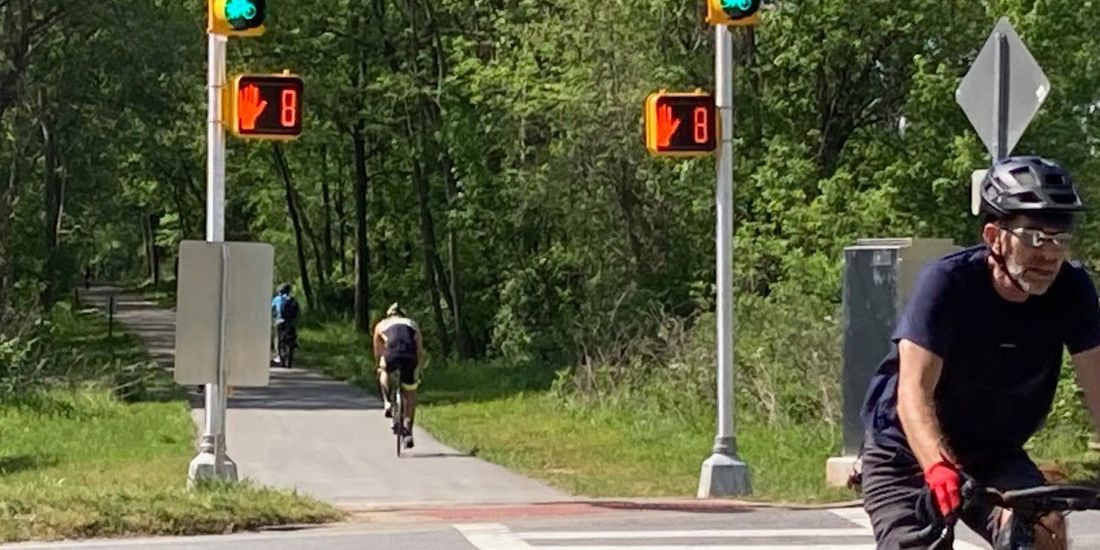
Original PDF, page 7
Public Health Strategies that reduce truck cut-through traffic and reduce or capture vehicle emissions. Safety Strategies that reduce vehicle speeds and address intersection conflict points.
Walking and Biking Strategies that support comfortable walking and biking on the Parkway and the Bay Trail.
Strategies Recap
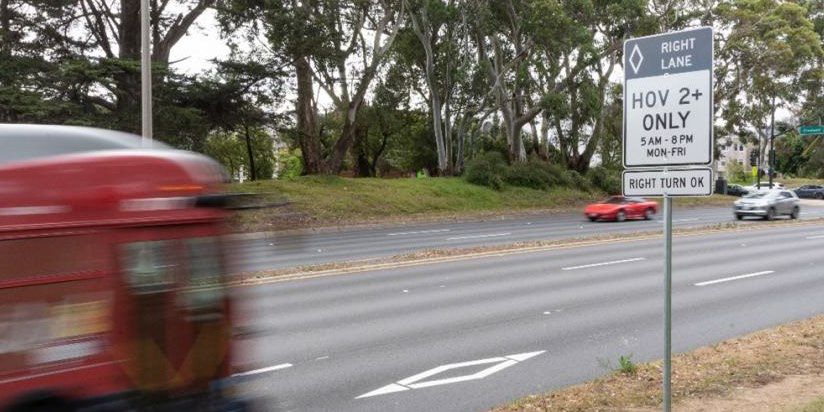
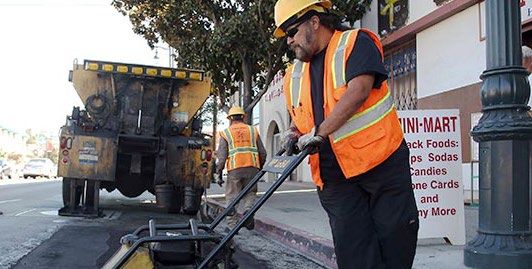
Driving and Goods Movement Strategies that encourage carpooling, optimize signal timing, and improve wayfinding for drivers. Maintenance Strategies that holistically address corridor and Bay Trail maintenance and reduce illegal dumping.
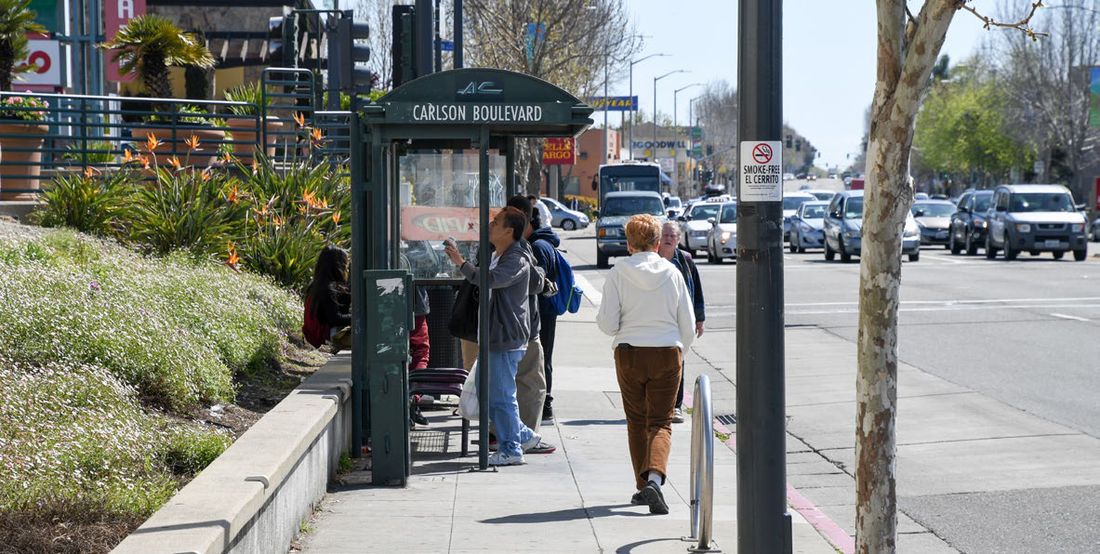
Transit Strategies that improve access and circulation at the Richmond Parkway Transit Center and support and encourage transit ridership.
Strategies Recap (Cont’d)
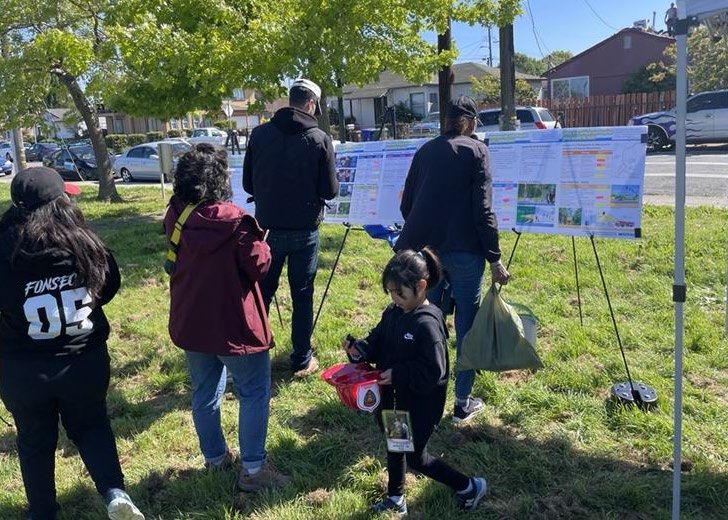
Original PDF, page 9
- Public Advisory Group: Feb 2024
- WCCTC Board Meeting #3: March 22, 2024
- Community Meetings: Mar to Apr 2024
- Parchester Village Neighborhood Council
- North Richmond Municipal Advisory Council
- City of Richmond District 2 Meeting
- Iron Triangle Neighborhood Council
- Pop-Up Events: Mar to Apr 2024
- North Richmond Flea Market (North Richmond)
- North Richmond’s Earth Day Festival (North Richmond)
- Online Survey: Mar to Apr 2024
- 124 responses received
Draft Strategies Public
Engagement
| Pop-Up Votes by Category 12% 22% 14% 19% 16% 17% | O | nline Survey Votes by Category1 11% 27% 11% 13% 23% 15% Source: Fehr & Peers, 2024 | |
|---|---|---|---|
| 1. Online survey respondents skew Whiter and wealthier than residents living along the Parkway. |
Public Health, Maintenance, Safety, and Walking &
Biking were the most popular strategy categories
RICHMOND PARKWAY TRANSPORTATION PLAN
Priority Strategies
The Priority Strategies Respond to Community
Feedback and Meet Many or Most Goals
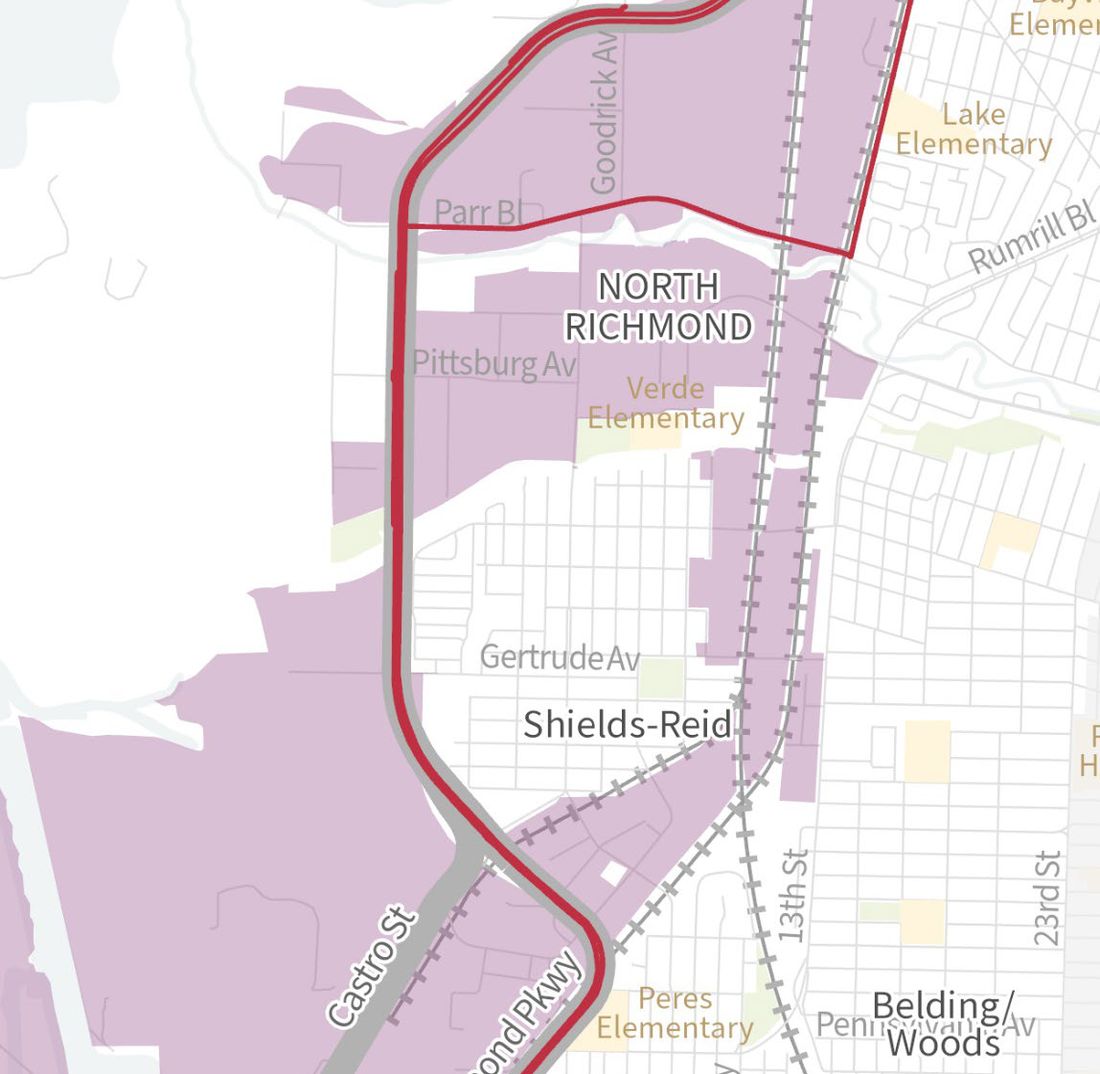
Goals of the Plan Advance Placemaking Enhance Travel Time Reliability and Efficiency Improve Safety for All Users Improve Health Increase Access to Key Destinations Support Feasible Strategies All priority strategies meet at least many of the goals.
Meets Some Goals Meets Many Goals Meets Most Goals
Original PDF, page 13
| Category | Strategy |
|---|---|
| Public Health | A. Incorporate trees and greening into all infrastructure projects on the corridor |
| B. Update designated truck routes to avoid residential areas to the extent feasible | |
| C. Implement no truck idling or parking zones near sensitive land uses | |
| Safety | D. Install safety treatments at intersections along the corridor |
| E. Implement measures to reduce speeding and lower the speed limit | |
| Walking and Biking | F. Upgrade bikeways and the Bay Trail and connect sidewalk gaps |
| G. Install at-grade signalized Wildcat Creek Trail crossing | |
| Maintenance | H. Implement a cross-jurisdictional Roadway Pavement and Maintenance Management Program |
| Driving & Goods Movement | I. Upgrade and coordinate signals along the Parkway |
| Transit | J. Improve access to the Richmond Parkway Transit Center |
Priority Strategies
Cost Estimate $: <$1M $$: $2M-$5M
The Priority Strategies Represent the Top
Strategies to Fund and Implement
For each Priority Strategy, the following are identified: Lead Agency(s) Benefit Completion Timeframe $$$: $6M-$10M $$$$: >$11M
Trees & Green
Infrastructure
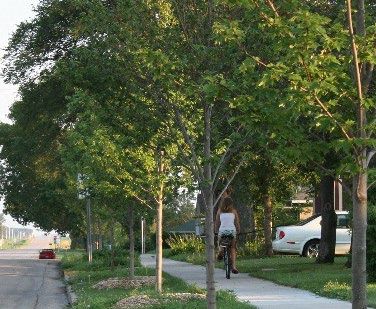
Public Health A Implementation Note: Funding already secured via CNRA Urban Greening Grant for tree planting along Richmond Parkway adjacent to Atchison Village and in North Richmond. Other segments require funding.
Goals Alignment Incorporate trees and green infrastructure into all capital projects where feasible. Cost Lead Agency Completion Timeframe Increased tree cover improves air quality and reduces surface temperatures.
$$$$ City of Richmond: Public Works Contra Costa County: Public Works Benefit Ongoing
Original PDF, page 16
Implement New
Truck Routes
Public Health B Goals Alignment Update designated truck routes in North Richmond to ensure trucks avoid residential neighborhoods to the extent feasible. Install cameras for automated enforcement of heavy vehicles exceeding weight limit.
Cost Lead Agency Completion Timeframe New truck routes can be designated to improve neighborhood sound quality and reduce exposure to emissions.
$$$$ Contra Costa County: Planning, Public Works 0-2 years Benefit
Original PDF, page 17
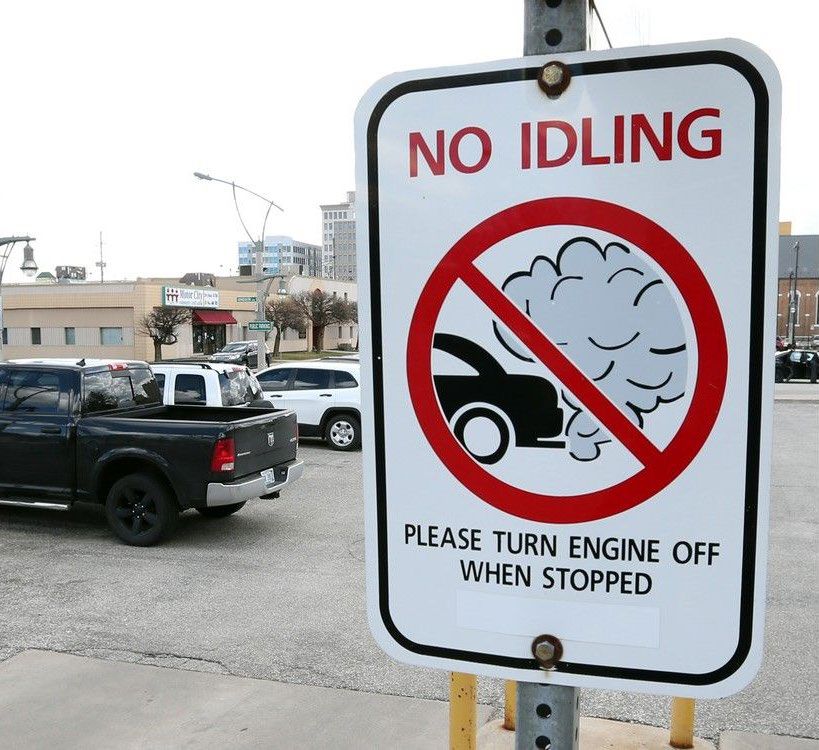
No Truck Parking
and Idling Zones
Public Health Goals Alignment Place No Truck Parking and No Idling zones judiciously to reinforce but not overburden truck operations. Install signs in strategic locations such as residential areas and near sensitive receptors (e.g.
schools, hospitals, parks). Cost Lead Agency Completion Timeframe Idling trucks release more than 500 pounds of CO2 emissions per day. Deterring this truck activity can improve local air quality.
$$$$ Contra Costa County: Planning City of Richmond: Public Works 0-2 years Benefit Source: EPA, 2024; US EPA Archive Document on Idling Reduction.
Original PDF, page 18
Safety
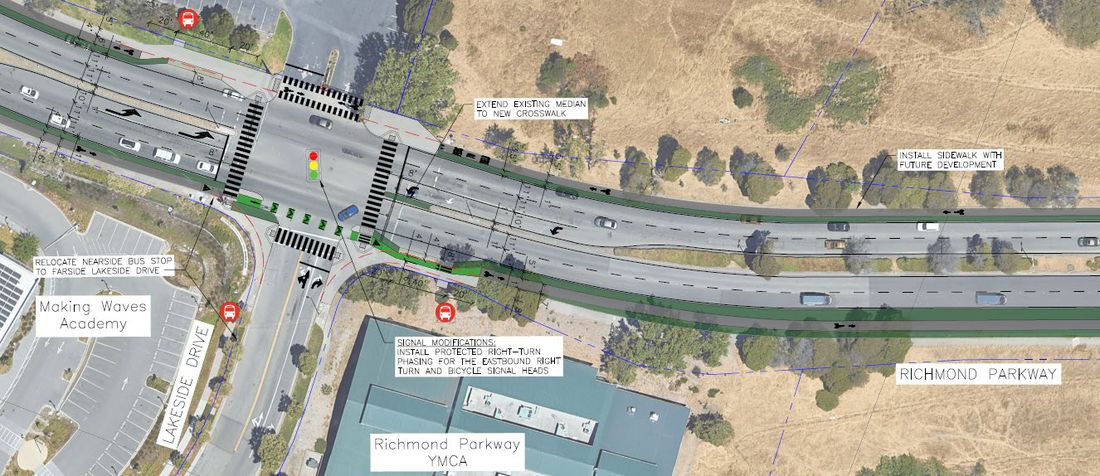
Improvements at
Intersections
Safety Goals Alignment Install safety treatments such as high-visibility crosswalks, curb ramps and curb extensions, geometric changes, pedestrian countdown signals, and more.
Cost Lead Agency Completion Timeframe These safety improvements could lead to a 43% reduction in bicycle and pedestrian injury collisions. $$$$ Contra Costa County:
Public Works City of Richmond: Public Works 6-10 years Benefit Source: Caltrans, Local Roadway Safety Manual, 2024; FHWA, CMF Clearinghouse, 2024
Original PDF, page 19
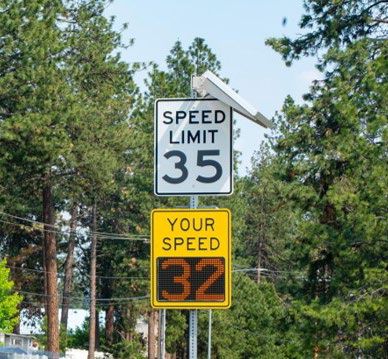
Reduce
Speeding
Safety E Goals Alignment Install speed-monitoring systems at high speeding locations and indicate speed limits. Study opportunity for speed limit reduction.
Implement pilot of speed safety cameras (when legal). Cost Lead Agency Completion Timeframe Speed reduction efforts could lead to a 20% reduction in all collisions.
$$$$ City of Richmond: Public Works Contra Costa County: Public Works 3-5 years Benefit Sources: Caltrans, Local Roadway Safety Manual, 2024; FHWA, CMF Clearinghouse, 2024.
Original PDF, page 20
Richmond Parkway Landscape separated bikeway
Upgrade
Bikeways and
Paths
Walking and Biking F Goals Alignment Upgrade on-street bikeways and the Bay Trail and close sidewalk gaps. On-street bikeways should be separated from vehicle traffic via landscaped or concrete barriers.
Cost Lead Agency Completion Timeframe Upgraded bicycle facilities could increase access for bicyclists. Within 20 minutes, residents near North Richmond would be able to access up to 5x more amenities on a low-stress facility.
$$$$ City of Richmond: Public Works Contra Costa County: Public Works 6-10 years Benefit Sources: ESA, 2024; TravelAccess+, Fehr and Peers, 2024; LEHD, 2023.
Original PDF, page 21
On-Street Wildcat
Creek Trail
crossing
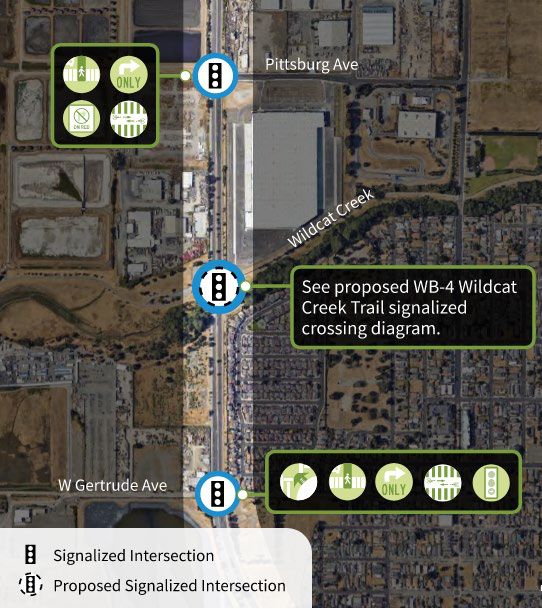
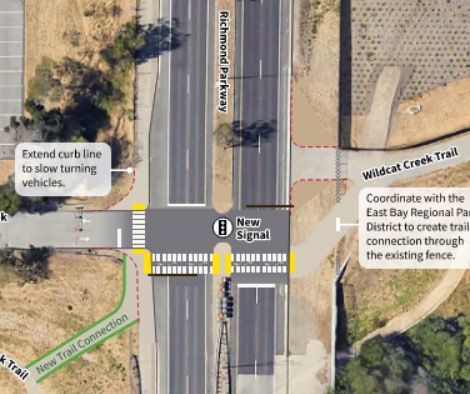
Walking and Biking G Goals Alignment Develop at-grade signalized multi-use crossing of Wildcat Creek Trail. Install lighting and add signage along Wildcat Creek Trail to indicate distance traveled or what facilities are provided/nearby.
Cost Lead Agency Completion Timeframe This crossing could increase multimodal access and result in a total of 2.2 miles of low stress bicycle facilities when the underpass is flooded.
$$$$ Contra Costa County: Public Works 3-5 years Implementation Note: Lead agencies may consider this alternative following evaluation of use and effectiveness of signalized crossing.
Benefit
Original PDF, page 22
Roadway
Maintenance
Program
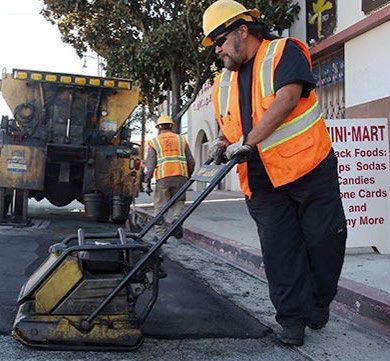
Maintenance H Goals Alignment Implement a cross-jurisdictional program to rehabilitate and maintain pavement quality and striping along the corridor. This program would also apply to signage, tree, and signal maintenance.
Cost Lead Agency Completion Timeframe Improved pavement conditions could save drivers up to 4%-10% of fuel consumption, repair, and maintenance, and tire wear.
$$$$ Contra Costa County: Public Works, City of Richmond: Public Works; 0-4 years Benefit Source: How Pavement and Bridge Conditions Affect Transportation System Performance, FHWA, 2023;
SMOOTHNESS MATTERS, Asphalt Pavement Alliance, 2008.
Original PDF, page 23
Upgrade and
Coordinate
Traffic Signals
Driving and Goods Movement Goals Alignment Implement signal coordination along the Parkway and upgrade signal equipment to allow for emergency vehicle preemption and peak period signal coordination along the Parkway.
Cost Lead Agency Completion Timeframe Coordinating signals along the Parkway could save drivers up to 13 minutes in the northbound direction in the afternoon peak period.
$$$$ City of Richmond: Public Works; Contra Costa County: Public Works; CCTA 3-5 years Benefit Source: Fehr and Peers, SimTraffic Model, 2024.
Original PDF, page 24
Richmond
Parkway Transit
Center Access
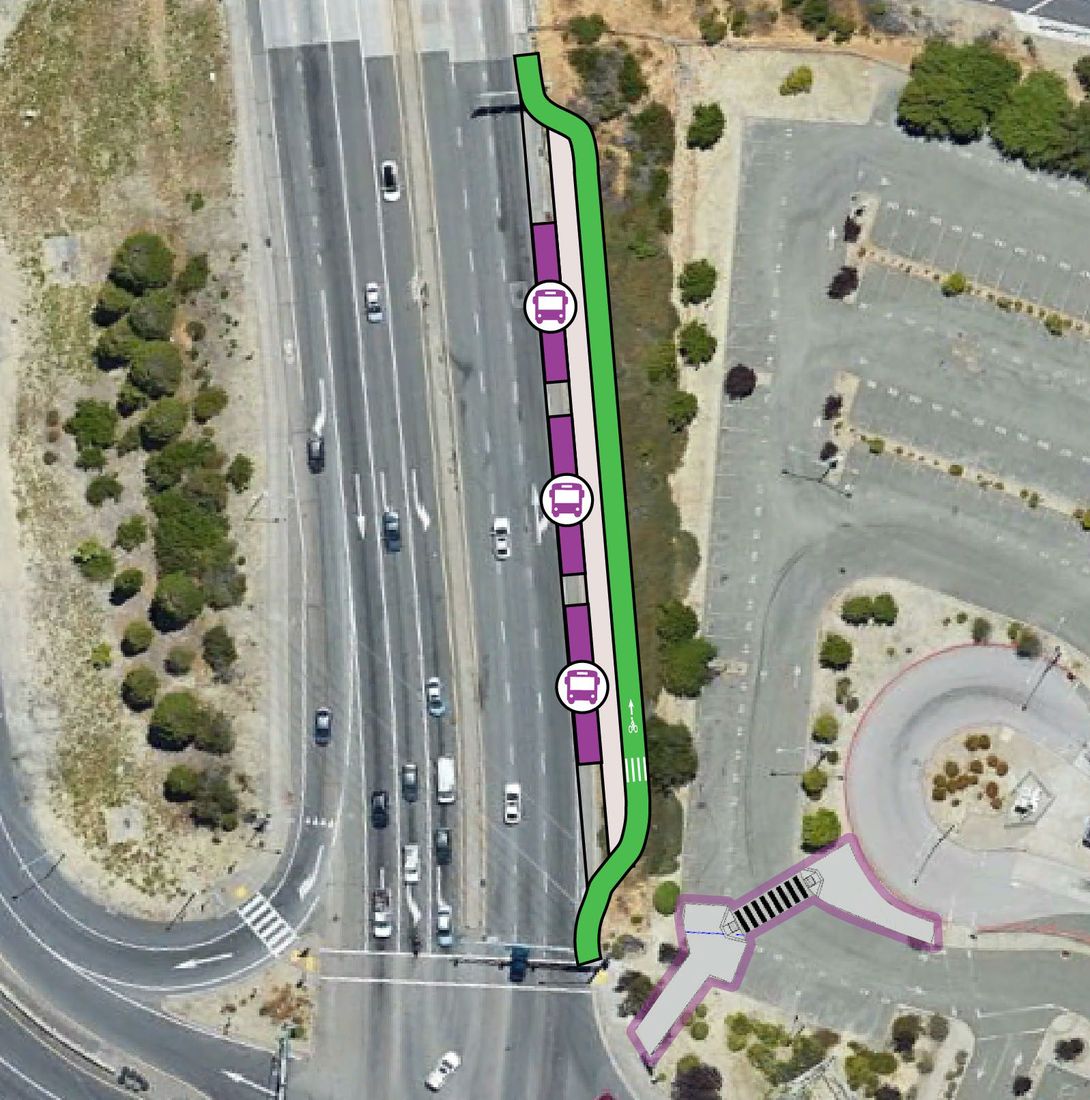
Transit J Goals Alignment Develop formal pedestrian connection between the northwest corner of the Transit Center and Richmond Parkway. Install bike lockers at the Transit Center.
Provide bus stops on the Parkway north of the Transit Center to decrease bus travel times. Cost Lead Agency Completion Timeframe $$$$ AC Transit, City of Richmond: Public Works;
MTC 3-5 years Benefit New bus stop placements would save an estimated 13,000 annual rider hours for southbound and eastbound routes. Richmond Parkway Transit Center Source: Express Bus Implementation Plan, WCCTC, 2020.
Original PDF, page 25
Discussion: Priority Strategies
Are there any strategies that are unclear or need more explanation?
Any implementation concerns/considerations?
RICHMOND PARKWAY TRANSPORTATION PLAN
Funding and Implementation
Priority Strategies Implementation
Action Priority Strategies Immediate Steps Future Steps Advance design concept for northern segment A D E F G J Pursue funding sources that cover multiple strategy categories to finalize design and construct project.
Pursue funding to develop concepts for remaining segments of the Parkway and Bay Trail. Implement new truck routes B Assess existing staffing and funding capacity to advance planning component.
Apply for funding if needed. Prohibit truck parking and idling Implement Roadway Maintenance Management Program H Hire a funding/financing consultant to guide City and County in establishing a potential new funding source and maintenance agreement.
Pursue selected potential funding source(s) and negotiate agreement. Upgrade and coordinate traffic signals Confirm recommendations in the 2019 Program for Arterial System Synchronization (PASS) Report.
Apply for funding.
Original PDF, page 28
Lead agencies can explore both existing and new
potential sources of funding
Existing Sources
- Federal, State, and regional grant funding sources, such as the:
RAISE Grant
Local Highway Safety Improvement Program
Local Partnership Programs
Regional Measure 3
One Bay Area Grant Program Potential New Sources
- Countywide Transportation Sales
Tax
- Regional Measure, such as sales or property tax or toll
- Enhance Infrastructure Financing
District
- Benefit Assessment District
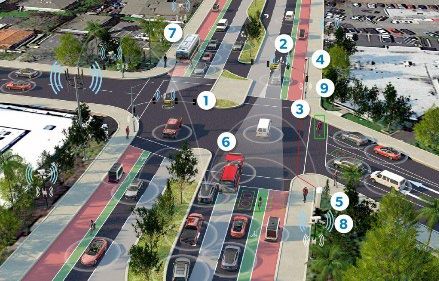
RM3
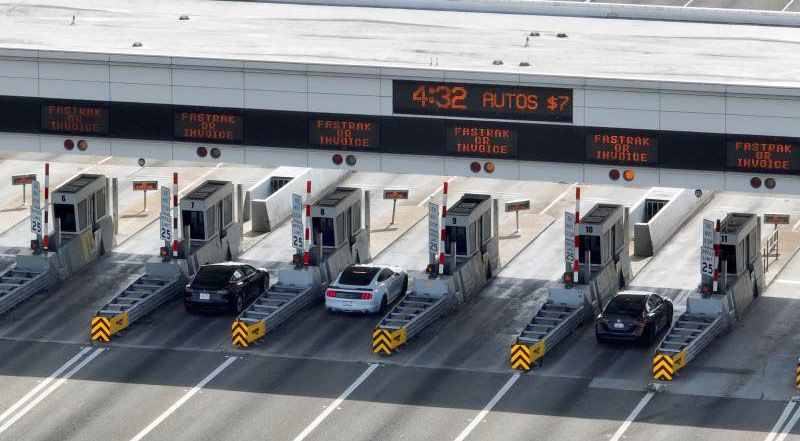
Regional Measure 3 is a Bay Area-wide regional measure funded via increased bridge tolls that funds transportation projects included in the expenditure plan.
RM3 funds a package of 35 projects and programs, including Richmond Parkway designated funds. In addition, active transportation Parkway projects may be competitive for Safe Routes to Transit and Bay Trail funding pot under RM3; however, that category prioritizes access to rail transit.
Regional Measure 3 (RM3) Source: KQED (2023) Current Source
Original PDF, page 30
Countywide
Transportation
Sales Tax
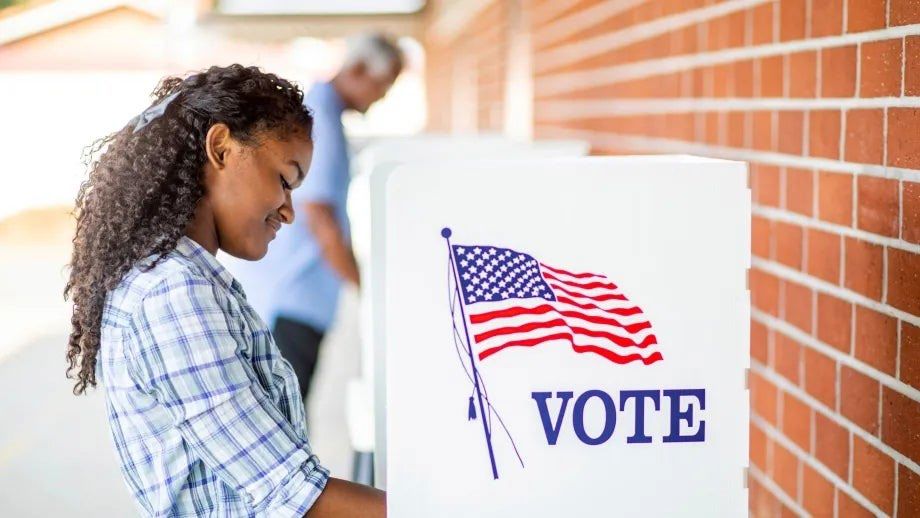
A new Contra Costa transportation sales tax could generate stable funding for capital and operating uses laid out in an Expenditure Plan. Requires 2/3 voter support.
Tax revenues from Contra Costa’s Measure J, approved by voters in 2004, funds an Expenditure Plan of transportation program and projects, such as the Smart Signals Project.
Contra Costa County Measure J Source: Smart Signal Project, Contra Costa Transportation Authority (2024) Potential New Sources
Original PDF, page 31
Regional
Measure
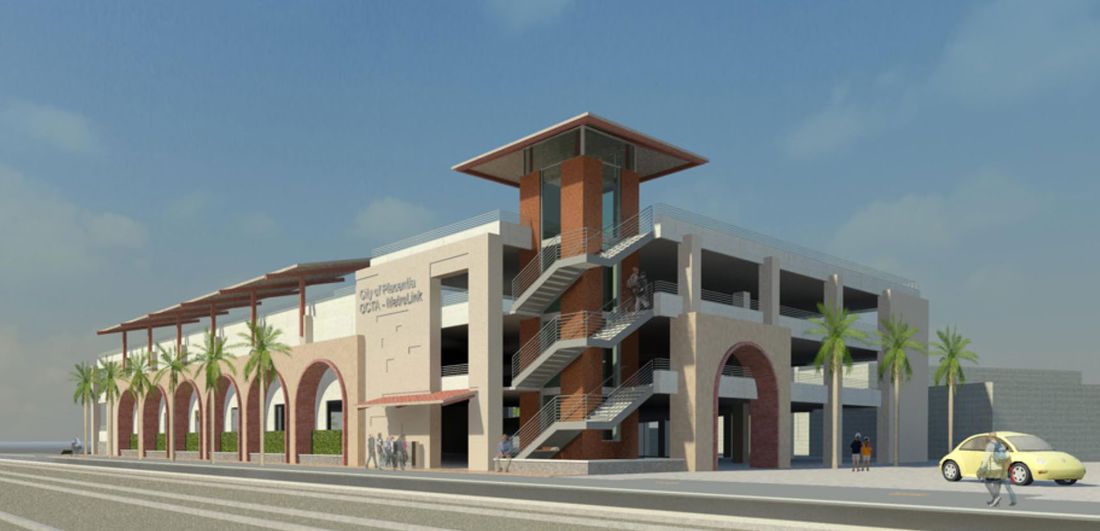
A new Bay Area-wide regional measure - such as a sales tax, property tax or further increased tolls - could fund transportation projects included in an expenditure plan.
A new transportation revenue measure for the Bay Area is being crafted and may be on a future ballot as early as November 2026. The measure is expected to generate at least $1 billion annually and is currently considering a wide range of options for its revenue source.
Potential Regional Transportation Measure for 2026 Source: Transform (2024); MTC (2024). Potential New Sources
Original PDF, page 32
Enhanced
Infrastructure
Financing District
(EIFD)
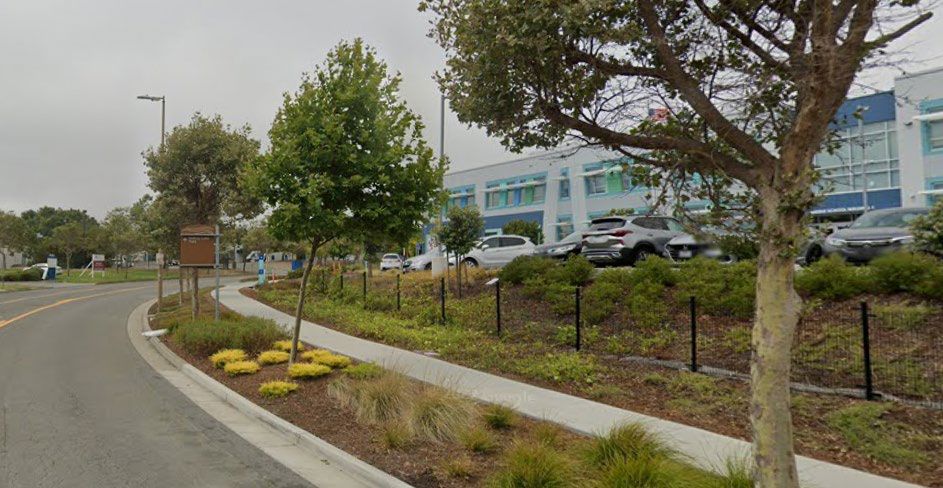
EIFDs use tax increment financing (TIF) to reallocate a portion of future property taxes to fund infrastructure projects. A separate government entity can be created to finance infrastructure projects with community-wide benefits.
The City of Placentia and County of Orange was the first city/county partnership to form an EIFD in 2019. The EIFD was formed to fund transit-supportive infrastructure in the communities near the upcoming Placentia Metrolink Station.
City of Placentia/County of Orange EIFD Source: City of Placentia EIFD StoryMap, SCAG (2024) Potential New Sources
Original PDF, page 33
Benefits
Assessment
Districts
Benefit Assessment Districts are established for a specific geographic area where impacted parcel owners vote to tax themselves to fund infrastructure benefits like street lighting and maintenance.
City of Richmond’s Hilltop Landscape Maintenance Assessment District provides maintenance and landscaping services in the northern area of Richmond, such as this section of Lakeside Drive just south of Richmond Parkway.
City of Richmond’s Hilltop Landscape Maintenance Assessment District Source: Google Maps (2022) Potential New Sources
Original PDF, page 34
| Strategy | Cost | Sales Tax | Regional Measure | EIFD | BAD |
|---|---|---|---|---|---|
| A. Trees and Green Infrastructure | $$$$ | x | x | x | |
| Potential New Funding B. Implement New Truck Routes | $ | x | |||
| Sources C. No Truck Parking and Idling Zones 1. Countywide | $ | x | |||
| D. Safety Improvements at Intersections Transportation Sales | $$$$ | x | x | ||
| Tax E. Reduce Speeding | $ | x | x | ||
| 2. Regional Measure F. Upgrade Bikeways and Paths | $$$$ | x | x | x | |
| 3. EIFD G. On-Street Wildcat Creek Trail crossing | $$ | x | x | x | |
| 4. Benefit Assessment H. Roadway Maintenance Program | $$$$ | x | x | x | x |
| District I. Upgrade and Coordinate Traffic Signals | $$$ | x | x | ||
| J. Richmond Parkway Transit Center Access | $$ | x | x | x |
Discussion
Which of the priority strategies do you think are most important to implement? Do these all seem like realistic options for the City/County to explore for future funding?
Are there other options that should be considered? Which option should be prioritized? $$$$: >$11M $: <$1M $$: $2-$5M Key:
Original PDF, page 35
RICHMOND PARKWAY TRANSPORTATION PLAN
Next Steps
PAG Mtg #4
WCCTC Board Mtg #4
Digital engagement
Public Engagement Plan
Phase 1
3 Pop-up events and 3 community meetings
Digital engagement
WCCTC Board Mtg #2
PAG Mtg #2 Phase 2
PAG Mtg #3
WCCTC Board Mtg #3
2 Pop-up events and 4 community meetings
Digital engagement Phase 3 IDENTIFY NEEDS EXPLORE STRATEGIES REFINE SOLUTIONS
Original PDF, page 37
Next Steps
Nov Release Public Review Draft online Present to Richmond City Council, 11/19 Dec Present to County Board of Supervisors Transportation, Water, and Infrastructure Committee, 12/9 Prepare the Final Draft Plan Jan Present to CCTA Board, date TBD City of Richmond, Contra Costa County, and WCCTC Adopt Final Plan Lead agencies to initiate immediate actions for implementing priority strategies Feb
Original PDF, page 38
Thank you
TO LEARN MORE VISIT: www.westcontracostatc.gov RICHMOND PARKWAY TRANSPORTATION PLAN FOR ADDITIONAL QUESTIONS OR INFORMATION CONTACT: Leah Greenblat Transportation Planning Manager lgreenblat@WestContraCostaTC.gov
In the same set
The original file
Everything above is the content of the original document, published here as a web page so it can be read, searched, translated and used with a screen reader. The original PDF is kept as the authoritative record.