

West Contra Costa Transportation Commission
Express Bus Study — fact sheet
The study in two pages, for anyone who does not need the full report.
Fact sheet · 2018 · 5 figures
The study in two pages, for anyone who does not need the full report.
Superseded — Kept for the record. A later document replaces it. Read the document that replaced it: Express Bus Study — final plan

AC Transit WESTCAT
THE WEST CONTRA COSTA COUNTY
EXPRESS BUS IMPLEMENTATION PLAN
WHAT IS AN EXPRESS BUS?
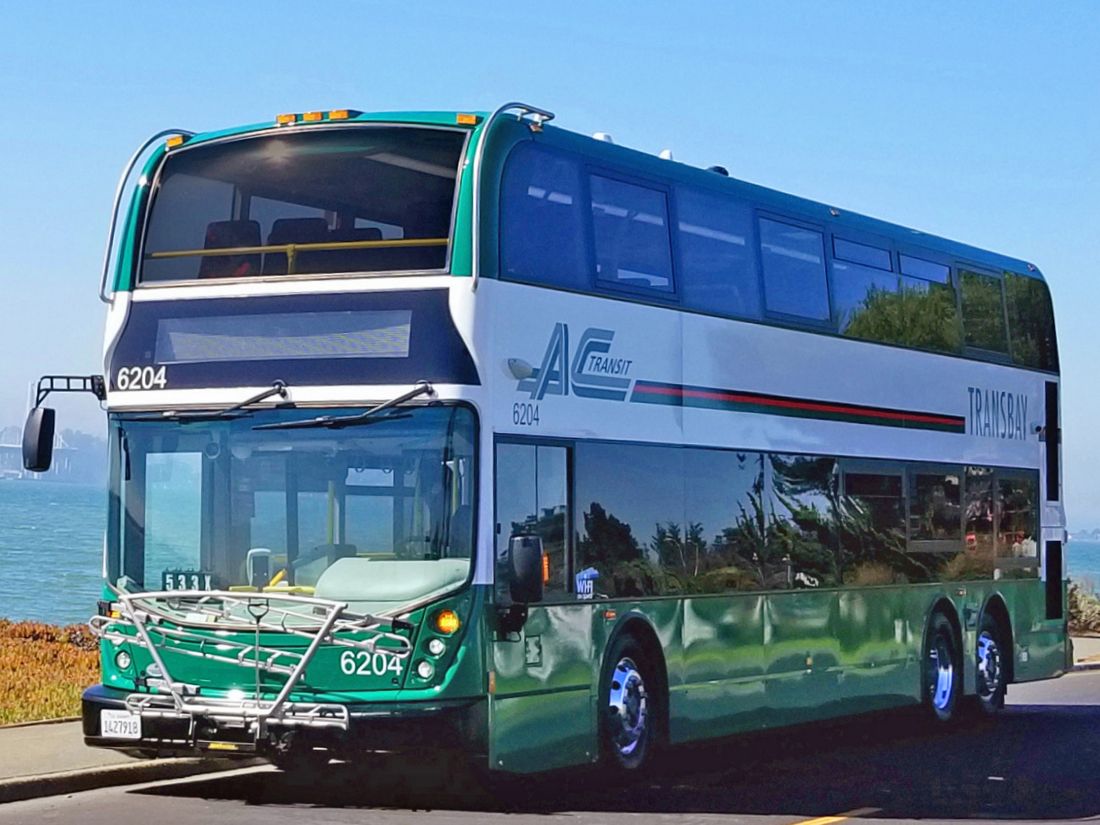
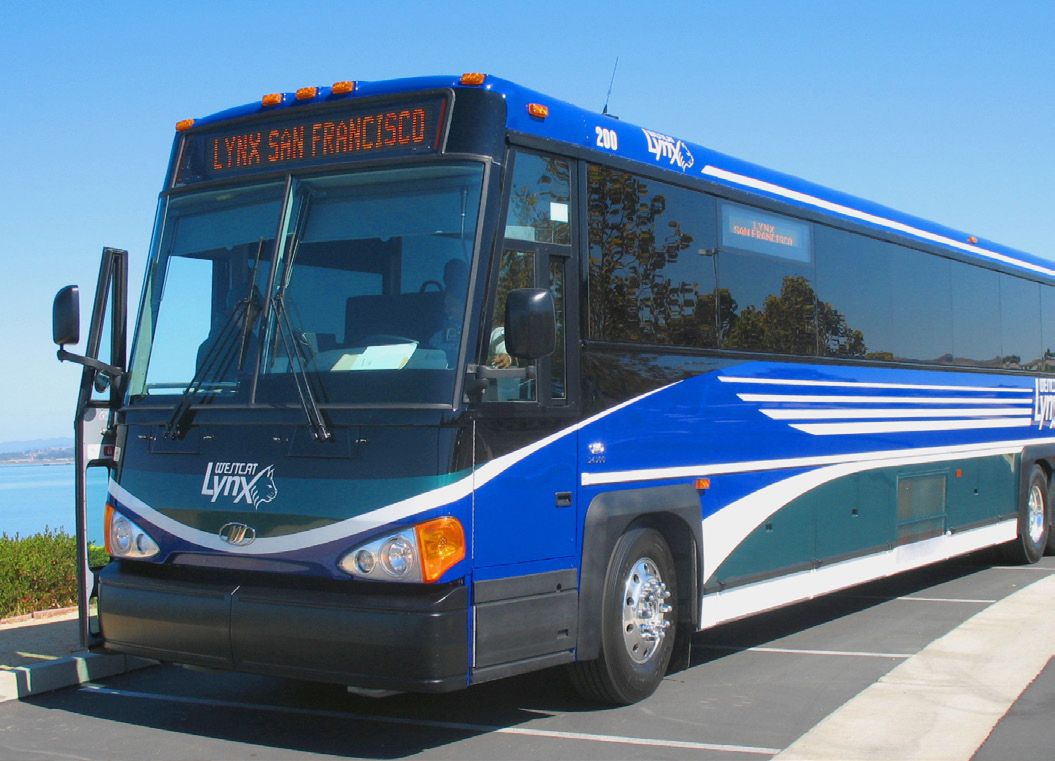
An Express Bus is designed to travel faster and on a more direct route than traditional local bus service. An express bus has relatively few stops to pick up passengers, and then travels non-stop for much of the route to its destination. Express buses travel faster than local buses because they often utilize carpool and express lanes and also take advantage of transit priority improvements on local streets, such as activating traffic signals in their favor as they approach busy intersections.
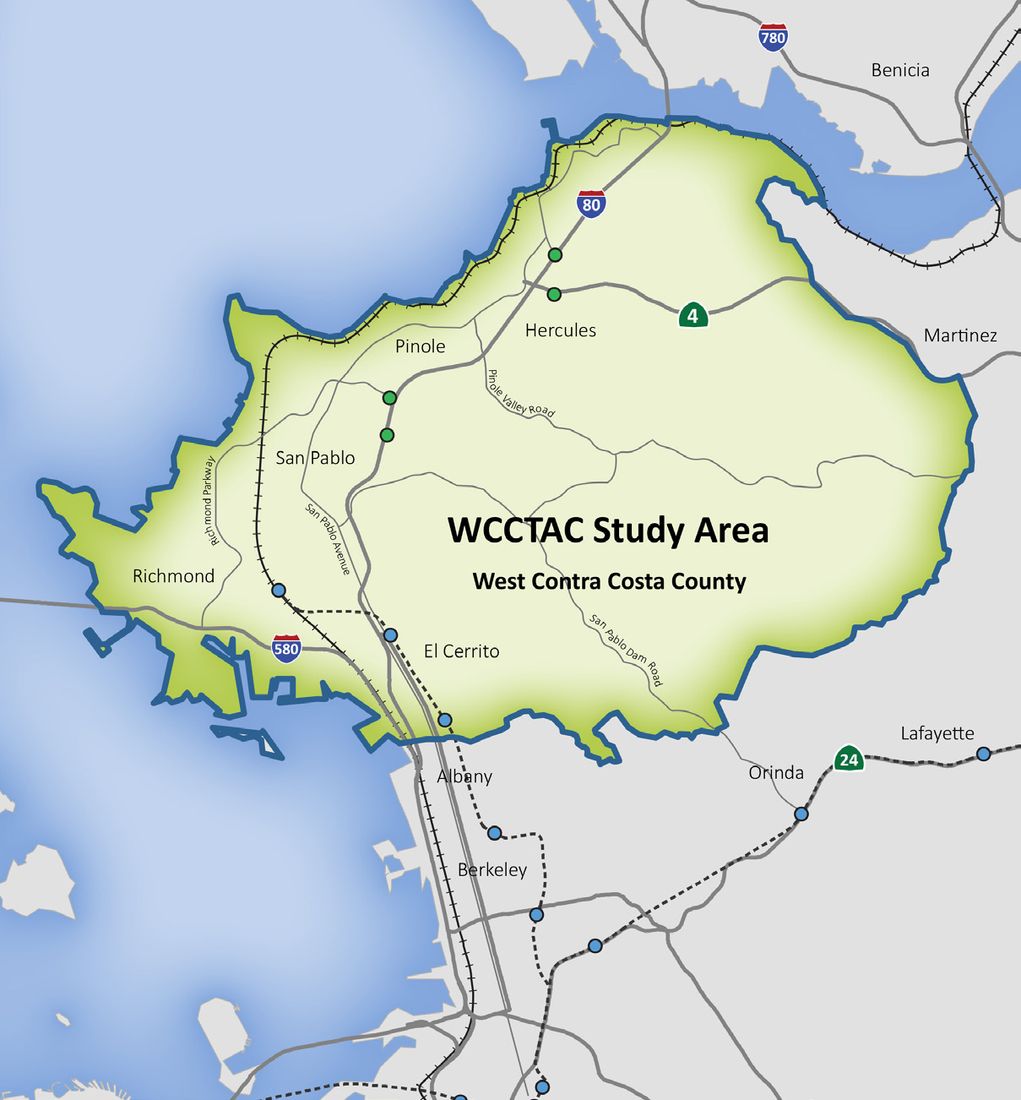
The West Contra Costa County Express Bus Implementation Plan will improve travel options from Hercules, Pinole, San Pablo, Richmond, and unincorporated communities in west Contra Costa County to destinations in Berkeley, Emeryville, Oakland, and San Francisco. Built on ideas from current and potential riders, the Plan will identify clear direction for action, including preferred bus route alignment, bus stop locations, operating schedule, suggested fare, and bicycle and pedestrian facility gaps in the areas surrounding future bus stops.
Original PDF, page 2
PROJECT
TIMELINE
BENEFITS OF AN
EXPRESS BUS
The Express Bus Implementation Plan will increase travel options for West Contra Costa residents and commuters. More people riding public transit means reduced commute times, improved air quality, and increased quality of life for everyone.
Direct benefits of express bus service include: Less expensive than owning, insuring and maintaining a car Faster and more direct than traditional bus routes Less wait time, with buses every 10 to 12 minutes during commute hours, and every 30 minutes during non-commute hours Access to carpool and express lanes and on-ramps No more hunting and/or paying for parking/parking tickets Gather baseline data. Collect first phase of community input, on service needs and priorities.
Identify potential route and stop location options. Second phase of community input, on identified opportunities. Prepare draft implementation plan.
Finalize implementation plan and third phase of community input, on final plan.
FALL 2018
WINTER
2018/19
SPRING 2019
SUMMER
FALL/WINTER
HOW TO GET
INVOLVED
To keep track of the project, and to voice your opinion, visit the online engagement portal and the project webpage. Online Engagement Portal:
wcctac.org/app_pages/view/681 Webpage: wcctac.org/app_pages/view/672 You can also attend an outreach event! For a list of upcoming meetings, visit the project webpage.
QUESTIONS?
Contact: Leah Greenblat, WCCTAC Project Manager 510.210.5935 | LGREENBLAT@wcctac.org
In the same set
The original file
Everything above is the content of the original document, published here as a web page so it can be read, searched, translated and used with a screen reader. The original PDF is kept as the authoritative record.