

West Contra Costa Transportation Commission
Seniors and People with Disabilities — executive summary
The findings and the recommendations, without the supporting detail.
Summary · Summary · 2018 · 7 figures · about 8 min to read
The findings and the recommendations, without the supporting detail.
Current — In force. This is the version to rely on. A short version of a longer document.
Needs Assessment Study
of West County Measure J-Funded Services for Seniors and People with Disabilities Prepared by EXECUTIVE SUMMARY February 2018
WCCTAC To evaluate existing West County paratransit programs funded by Measure J and determine potential enhancements, improved coordination, and possible new services to better meet the changing needs of the area’s senior and disabled residents
Study Purpose
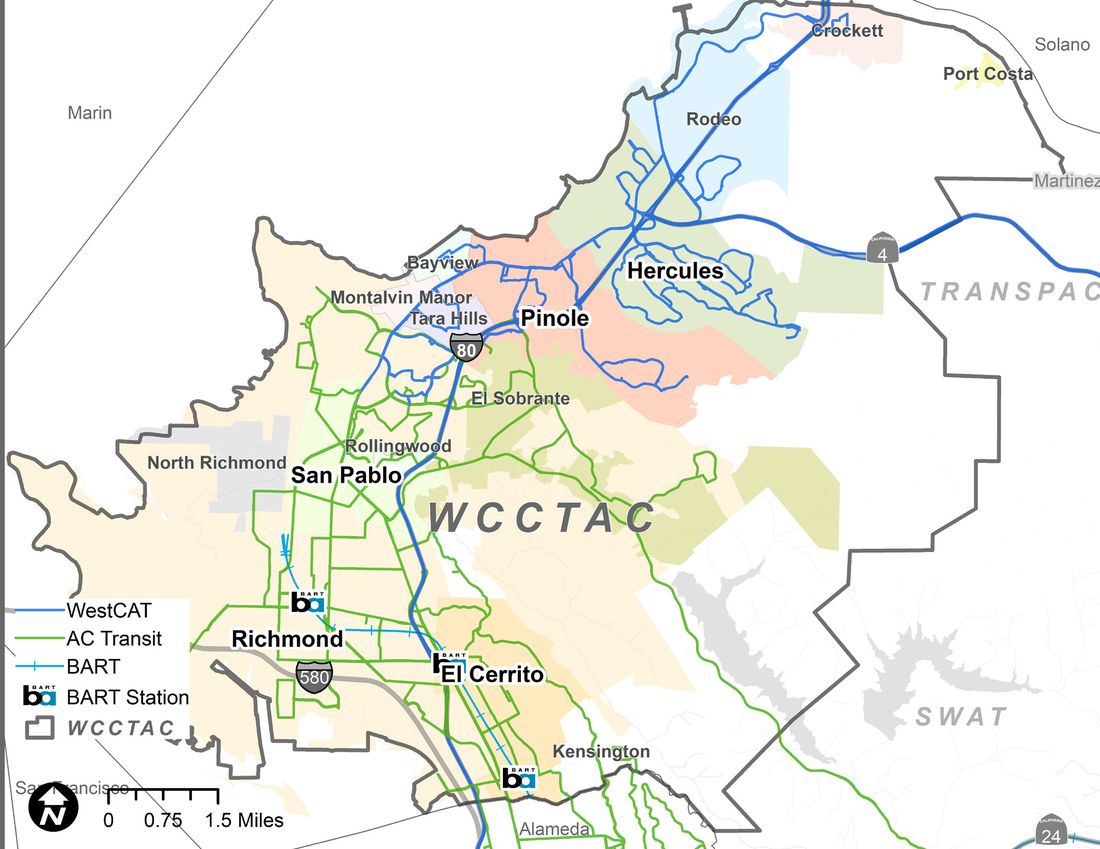
WCCTAC’s Coverage Area
Original PDF, page 3
WCCTAC | Needs Assessment Measure J was approved by 71% of Contra Costa voters in 2004
MEASURE J provides vital
transportation services to Western Contra Costa County seniors and people with disabilities. The two service populations overlap— some seniors are also disabled and
- Of WCCTAC jurisdictions’ total population
Seniors 11%
People with Disabilities 12%
Original PDF, page 4
WCCTAC Existing Conditions $ Funding Landscape The Expenditure Plan allocates 5% of Measure J to Transportation for Seniors and People with Disabilities countywide through Program 15. Of this 5%, 35% is allocated to West Contra Costa service providers. Additionally, Program 20b (a Subregional Program) allocates 0.65% to West Contra Costa for Additional Transportation for Seniors and People with Disabilities. Program 20b funds are approved by WCCTAC and can be used for such non-ADA services as shuttles, sedan/taxi service, fare subsidies, and/or other supplemental services beyond the ADA service.
However, ADA service does qualify, and 20b can be used to expand the same “base” program expenditures that Program 15 is used for. Cur rently, the Measure J transportation programs are in fact using 20b funds as part of the same pool as Program 15 funds.
5% 35% goes to Program 15 Transportation Options for seniors and people with disabilities goes to West County $2.5 Billion countywide through 2034 Co ntr a C os ta o u n t y Me as ur e J F un n g ...plus 0.65% of Measure J funds via Program 20b Existing Conditions of Measure J funding Of this 5%,
Original PDF, page 5
Existing Conditions WCCTAC | Needs Assessment There is a need for increased access to volunteer driver trips and travel training Measure J-Funded Transportation Services and Programs There is an over lap in service areas between city-based and ADA paratransit in West Contra Costa County TY
B A S E A N A A P A R A T R A N SI T FI E D- R O U T E T R A N SI T O T H E R S E R E S
West
Contra Costa
County
Mobility
Options
for seniors and people with disabilities Easy Ride Paratransit WestCAT Dial-A-Ride East Bay Paratransit Travel Training Volunteer Drivers Local Shuttles San Pablo Senior Transportation & Paratransit BART AC Transit Capitol Corridor WestCAT Golden Gate Transit R-Transit SolTrans
Original PDF, page 6
WCCTAC Existing Conditions Measure J-Funded Paratransit Services in West Contra Costa The majority of paratransit service trips are to medical facilities, senior facilities, or grocery stores Richmond has the highest cost per trip among all local providers
- WestCAT provides paratransit trips and trips to seniors 65+.
Top Destinations FY 2015-16 Passenger Trips Trips Per Customer FY 2015-16 Cost Per Passenger East Bay Paratransit 36.3 Trips per Customer 77,344 Trips $58.27 WestCAT Dial-A-Ride * 2.9 Trips per Customer 41,561 Trips $34.89 Easy Ride Paratransit (El Cerrito) 11.1 Trips per Customer 5,249 Trips $24.78 R-Transit (Richmond) 3.6 Trips per Customer 5,359 Trips $107.07 Senior Transportation & Paratransit (San Pablo) 11.1 Trips per Customer 4,788 Trips $46.79 ADA PARATRANSIT CITY-BASED PARATRANSIT PROGRAMS † † $163.84 per passenger in FY 2016-17 from May 23, 2017 Staff Report to Richmond City Council.
Original PDF, page 7
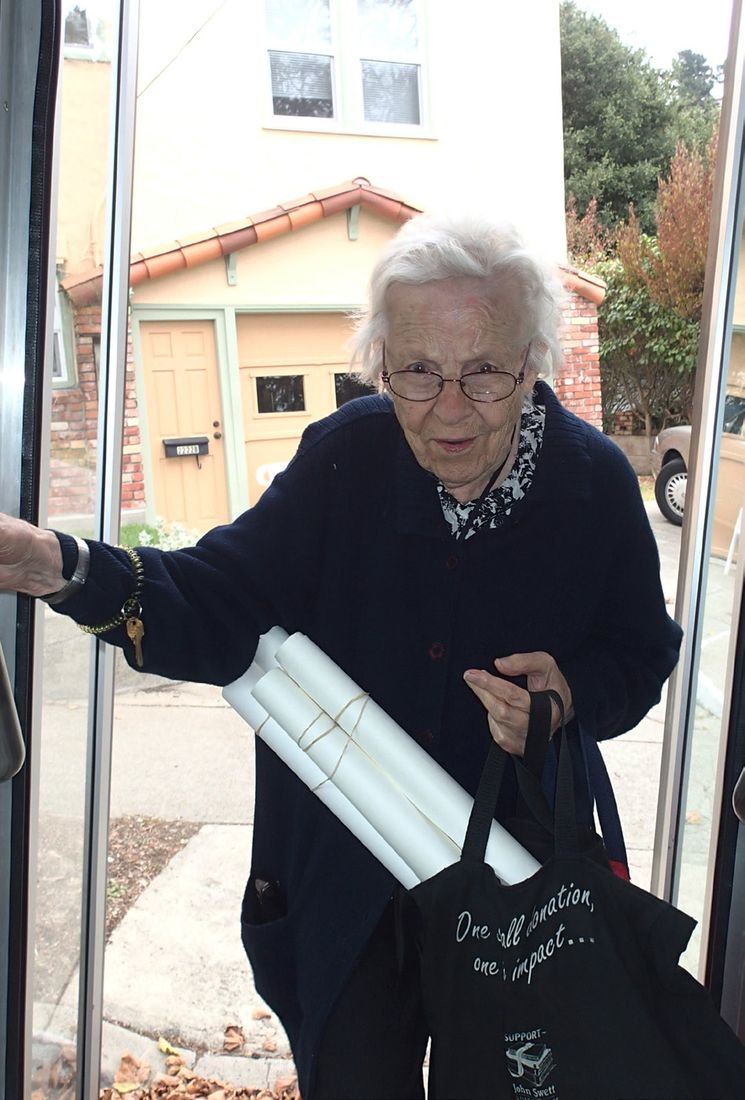
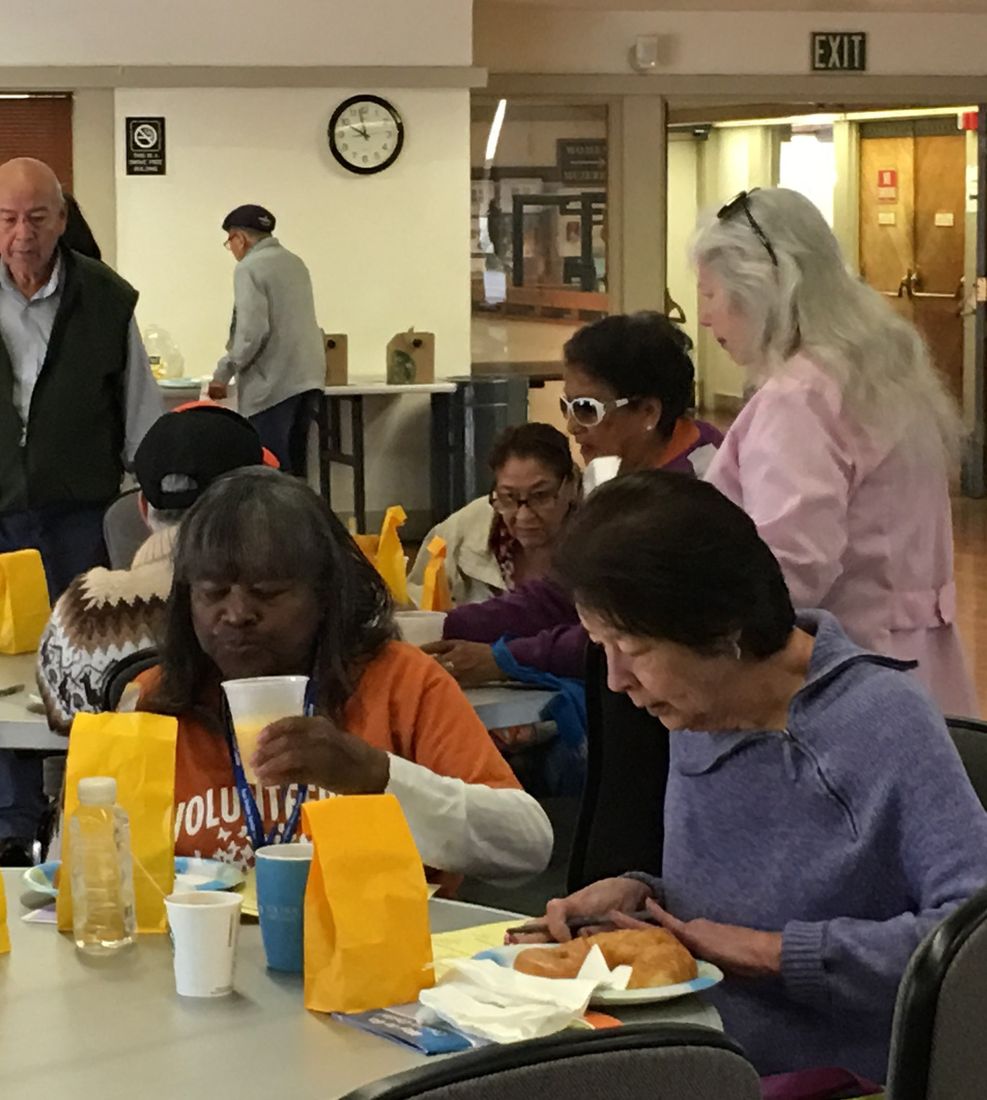
WCCTAC | Needs Assessment Public Participation These groups shaped a collective understanding of the transportation needs of the region's seniors and people with disabilities:
- Cities of El Cerrito, San Pablo, and Richmond
- ADA Paratransit providers East Bay Paratransit and WestCAT
- Non-profits Mobility Matters and the Center for
Independent Living
- The District I Board of Supervisors
- Seniors at Centers in the Cities of Richmond,
San Pablo, Hercules, Pinole, and North Richmond
- Seniors and people with disabilities at
Community Centers in El Cerrito and Kensington
- Other constituents through an online survey paper/on-line surveys outreach meetings stakeholder groups
Three
Key
Groups
Identified Needs and Suggested Improvements The study team heard a breadth of perspectives from West County seniors, people with disabilities, and their service providers and advocates.
Original PDF, page 8
WCCTAC Major Transportation Needs & Gaps Most Significant Transportation Needs of Seniors and People with Disabilities in West Contra Costa County Travel Training Services. There is a need and desire for more of these services, both to mitigate the trend toward driving in advanced age and to educate seniors and people with disabilities on how to use existing services and internet-based mobility information.
Outreach. A potentially large group of eligible but uncertified seniors and people with disabilities suggests a need for a more robust outreach program.
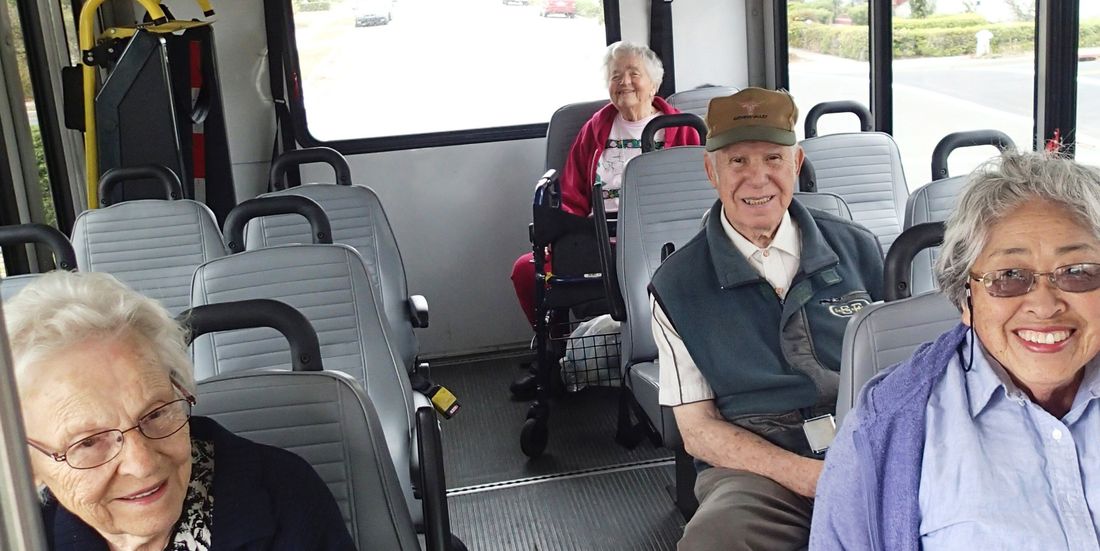
Same-day, evening, and weekend trip needs are not being met. There is currently no reliable source of same-day transportation for seniors and people with disabilities who cannot access public transit.
Richmond’s R-Transit struggles to serve its customers, including assigned unincorporated areas. The program has low trip numbers and a high cost per trip.
Improved coordination between paratransit providers is a stakeholder priority. Transfers between ADA Paratransit, city-based services, and other service areas can be costly, time-consuming, difficult to arrange, and raise concerns about passenger safety.
Ride-hailing services are a newer option that constituents are interested in incorporating into the available services. These types of services include Uber, Lyft, and taxi services.
Medical appointments are the most difficult for seniors and people with disabilities to access. This need was exacerbated by the closure of Doctors Medical Center and the subsequent need to access services outside West County.
Original PDF, page 9
Transportation Needs & Gaps WCCTAC | Needs Assessment
Over the last decade, several studies identified
needs and proposals for senior and disabled mobility programs, both in Contra Costa specifically and across the Bay Area. Prior studies highlight these additional needs:
Improve coordination, regulation, training programs, and oversight of paratransit services Enhance existing fixed-route transit services to better serve seniors and people with disabilities Enhance and supplement traditional paratransit services Implement and/or expand non-traditional paratransit services that can improve independence and quality of life
Original PDF, page 10
WCCTAC
Short-Term Strategies
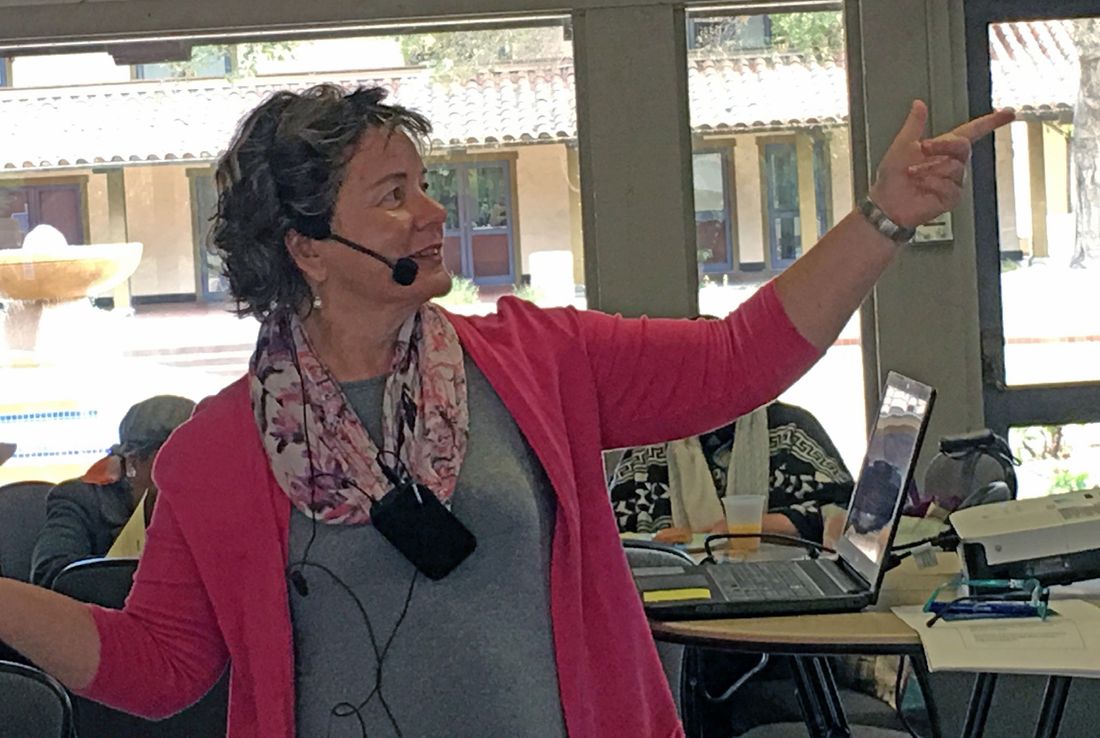
To create better communication between transportation service providers, WCCTAC should expand existing West County Mobility Management Group to improve service coordination amongst providers.
Better Coordination of West County Non-ADA Services
Short-Term Strategies WCCTAC | Needs Assessment Work with City of Richmond program to look at alternative service options.
Improve City of Richmond Program
Original PDF, page 12
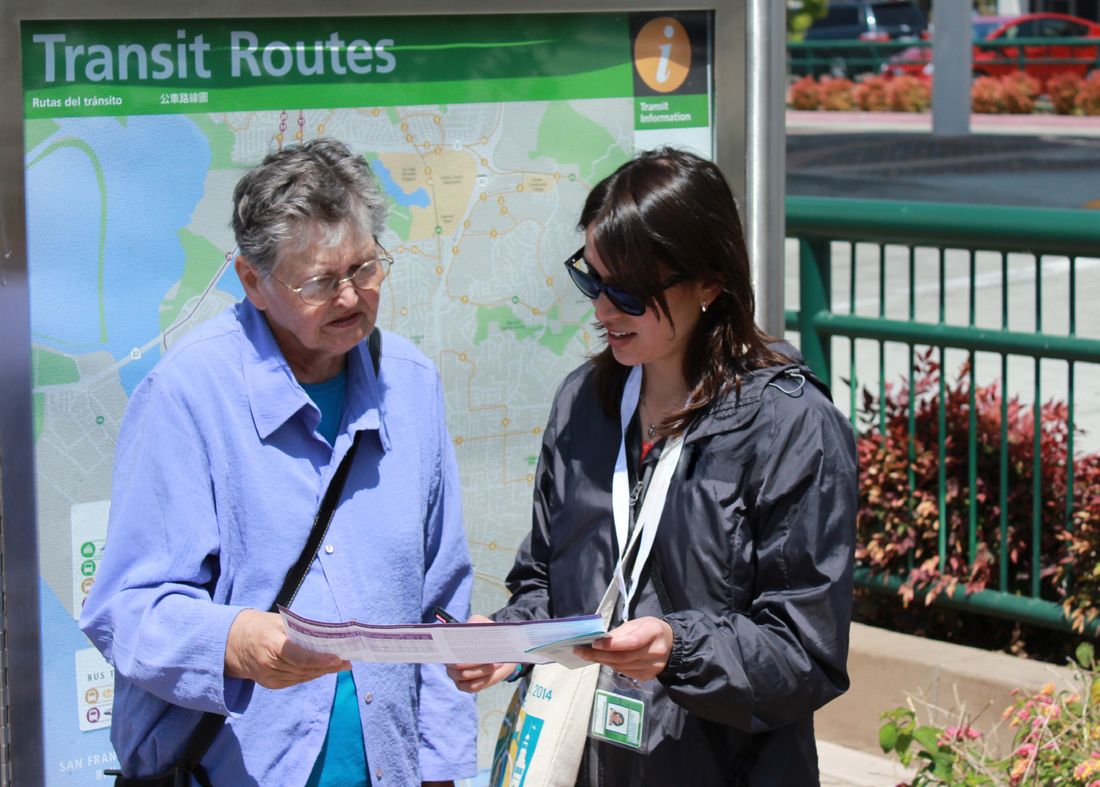
WCCTAC Short-Term Strategies Travel orientation, also known as transit orientation, is less formal and involved than traditional travel training and explains transportation systems by sharing information about trip planning, schedules, maps, fare systems, mobility devices, new mobility services, and benefits and services. It may be conducted in a group or one-on-one.
Create a Travel Orientation Program
Original PDF, page 13
Short-Term Strategies WCCTAC | Needs Assessment
Investigate Role of
Ride-Hailing Concierge Service
Ride-hailing concierge platforms enable program sponsors to provide ride-hailing trips (on Lyft and Uber) to individuals without smartphones, and offer organizations the opportunity to manage and pay for rides for their customers and clients. The implementation process for a ride-hailing concierge can be fast. The time consuming components involve identifying funding and staffing, and preparing West County’s existing mobility managers (e.g. municipal travel trainers) for training partners and individuals on the program.
Original PDF, page 14
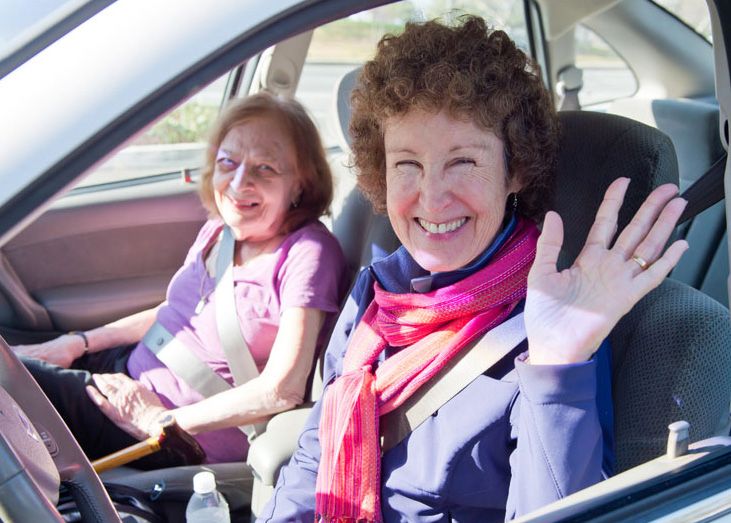
WCCTAC Short-Term Strategies Volunteer driver programs are defined by Easter Seals Project Action (ESPA) as a “network of volunteers that provides one-way, round- trip, and multi-stop rides. These programs are provided free of charge, on a donation basis, through membership dues, or at a minimal cost, and typically have an eligibility process and advance reservation requirements.” There are two models of volunteer driver programs that are being recommended to supplement Mobility Matters’ program in West Contra Costa County: a traditional model—currently served by Mobility Matters—and a TRIP model— which is a self-directed volunteer recruitment model.
Expand Volunteer Driver
Program in West County
Image from Shawn Fong
Original PDF, page 15
Establish a Comprehensive West County Mobility Management Program Information and Referral Low-income Households, Individuals with Disabilities, Seniors Fare Subsidy Travel Training Volunteer Driver Program Community Shuttle Vanpool Taxi/ Ride-Hail Transit Paratransit Mobility Manager Assessment and Eligibility A West County Mobility Management Program could take steps toward implementing a centralized call center, allowing consumers to call one number to get information and service from a variety of transportation options. West County can provide an example for Contra Costa County, as they explore countywide mobility management efforts.
A longer-term vision might provide more extensive mobility management, such as a brokerage and one call/one click service for West County, or all of Contra Costa County.
Long-Term Strategies
Original PDF, page 16
WCCTAC Long-Term Strategies Microtransit’s primary benefit to West Contra Costa would be the introduction of a same-day transportation option. It offers an opportunity to link together individual paratransit programs in West County, providing a more seamless experience for the user.
Explore Investing in Microtransit Platform for Same-Day Trips +
Original PDF, page 17
Long-Term Strategies
Support Increase in Available Funding
for Transportation for Seniors and
People with Disabilities
A future ballot initiative, similar to the 2016 Measure X Sales Tax Measure, could increase funding for seniors and people with disabilities.
Current Funding $ S e r e e e s E s t n g Population of Seniors and People with Disabilities and their Mobility Needs are Increasing S e r e e e s F u t u r e $ Sales Tax Measure To Bridge Projected Funding Gap An aging population increases transportation demand...
Original PDF, page 18
WCCTAC
Next Steps
One of the biggest challenges West County faces moving forward is meeting the growing needs of the senior and disabled population. Coordinate to Keep the Momentum This Plan fostered increased collaboration between the region's ADA and city-based paratransit providers and non-profits by way of regular West County Mobility Management Group meetings. It will be reviewed by the WCCTAC Board of Directors in February 2018. In the immediate near-term, throughout the first half of 2018, WCCTAC and the West County Mobility Management Group should reach a decision on key short-term strategies to implement in the next one to two years, and further assign responsibilities for implementation.
Plan and Commit to Prioritized Long-Term Strategies WCCTAC should support Contra Costa County leader ship in committing to its top long-term strategies to improve mobility for seniors and people with disabilities.
This may involve strategic coordination on developing a new funding program as well as making adjustments or improvements to implemented short-term strategies.
Implement Key Short-Term Strategies In the one to two years after this Plan's completion, WCCTAC should provide leadership to its fund recipients in ensuring key plan outcomes move forward.
Original PDF, page 20
Prepared by
Joanna Pallock
WCCTAC Project Manager
- 210-5934
jpallock@wcctac.org
For more information, contact:
In the same set
The original file
Everything above is the content of the original document, published here as a web page so it can be read, searched, translated and used with a screen reader. The original PDF is kept as the authoritative record.