Native pecans
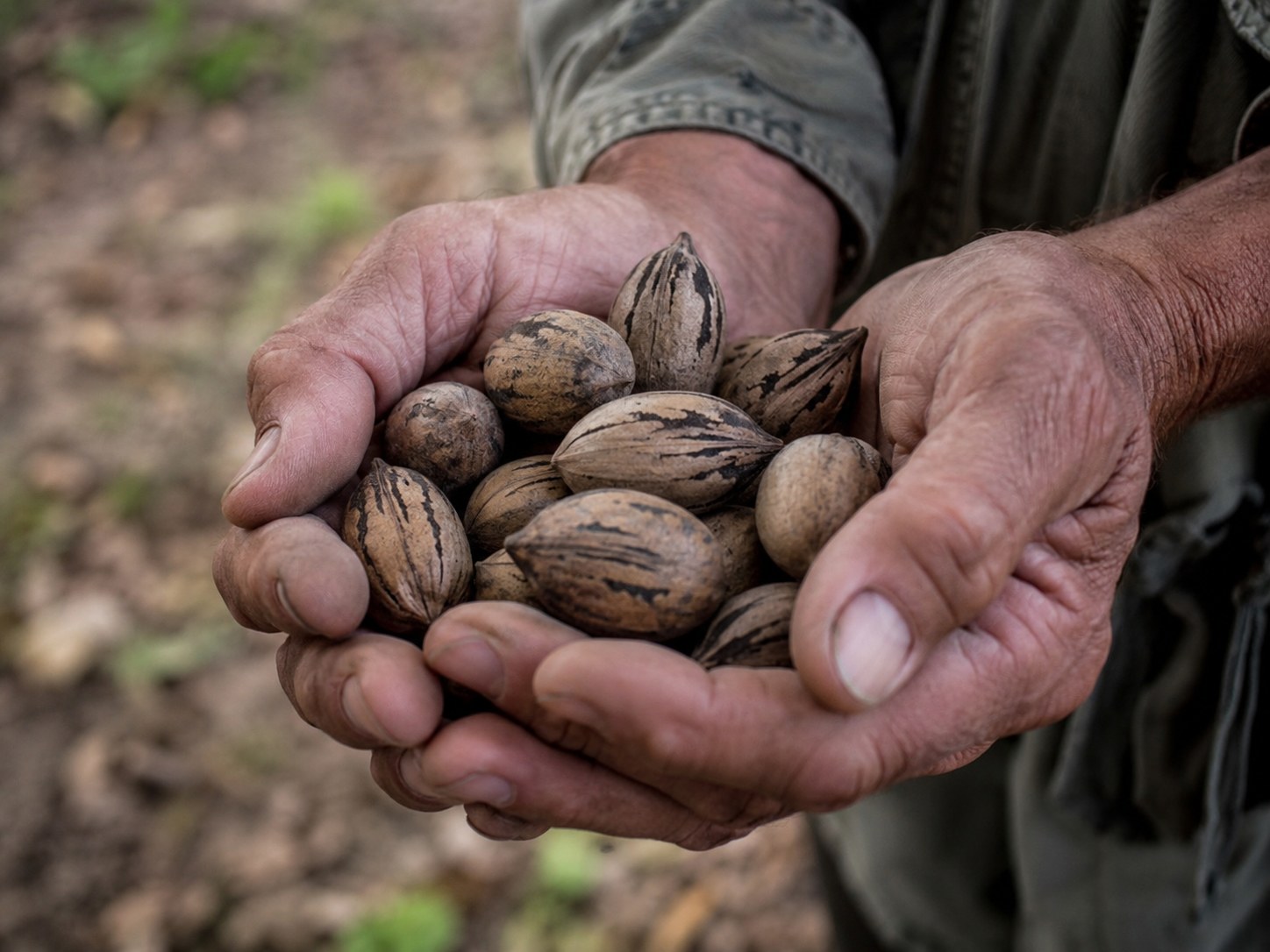
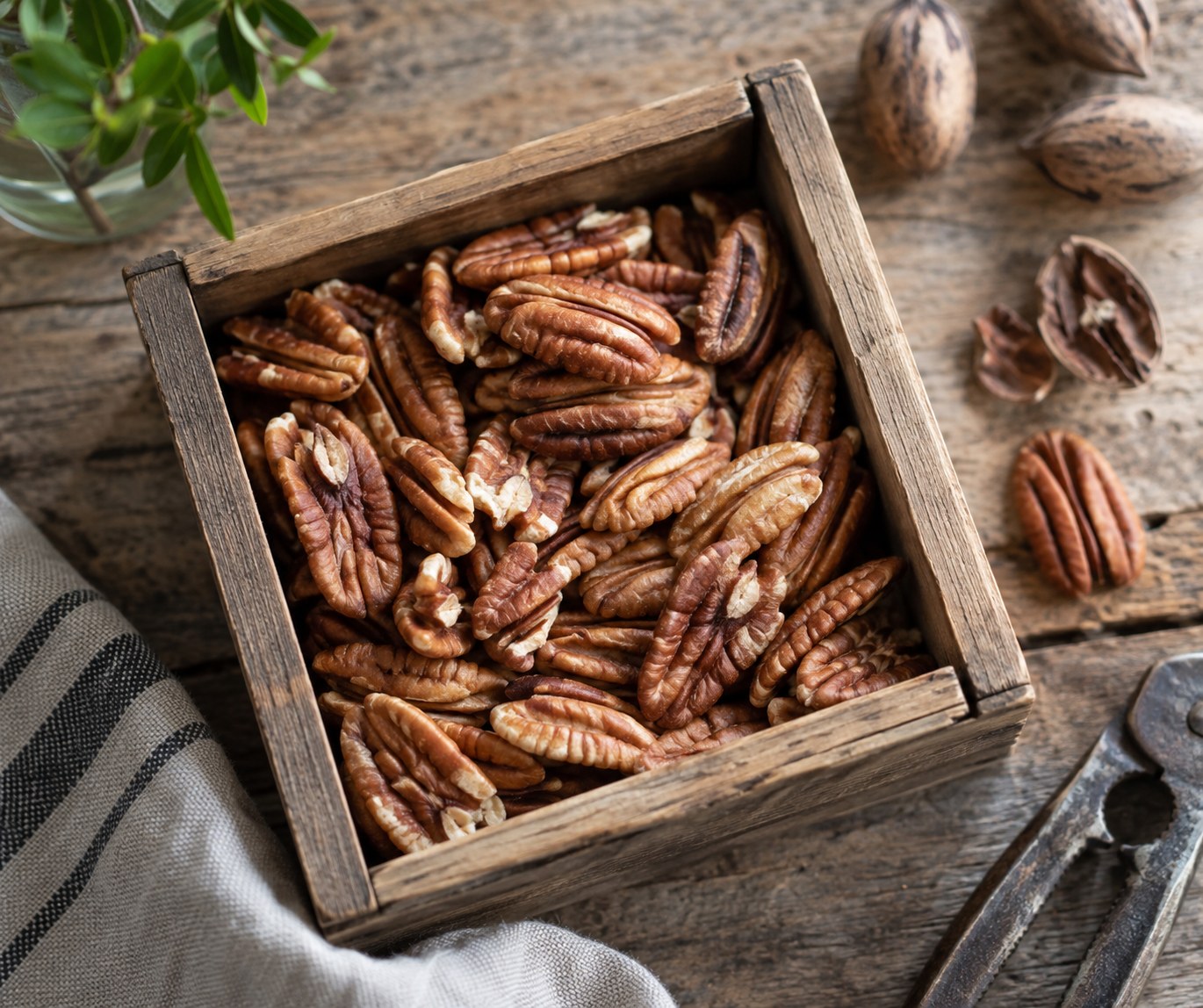
The only nut tree native to North America. Harvested each January across more than 23,000 acres of native groves in the territory, and the anchor commodity of the incentive programme.
What this land grows
Four product families move through this programme, each with its own season, its own market and its own set of producers.
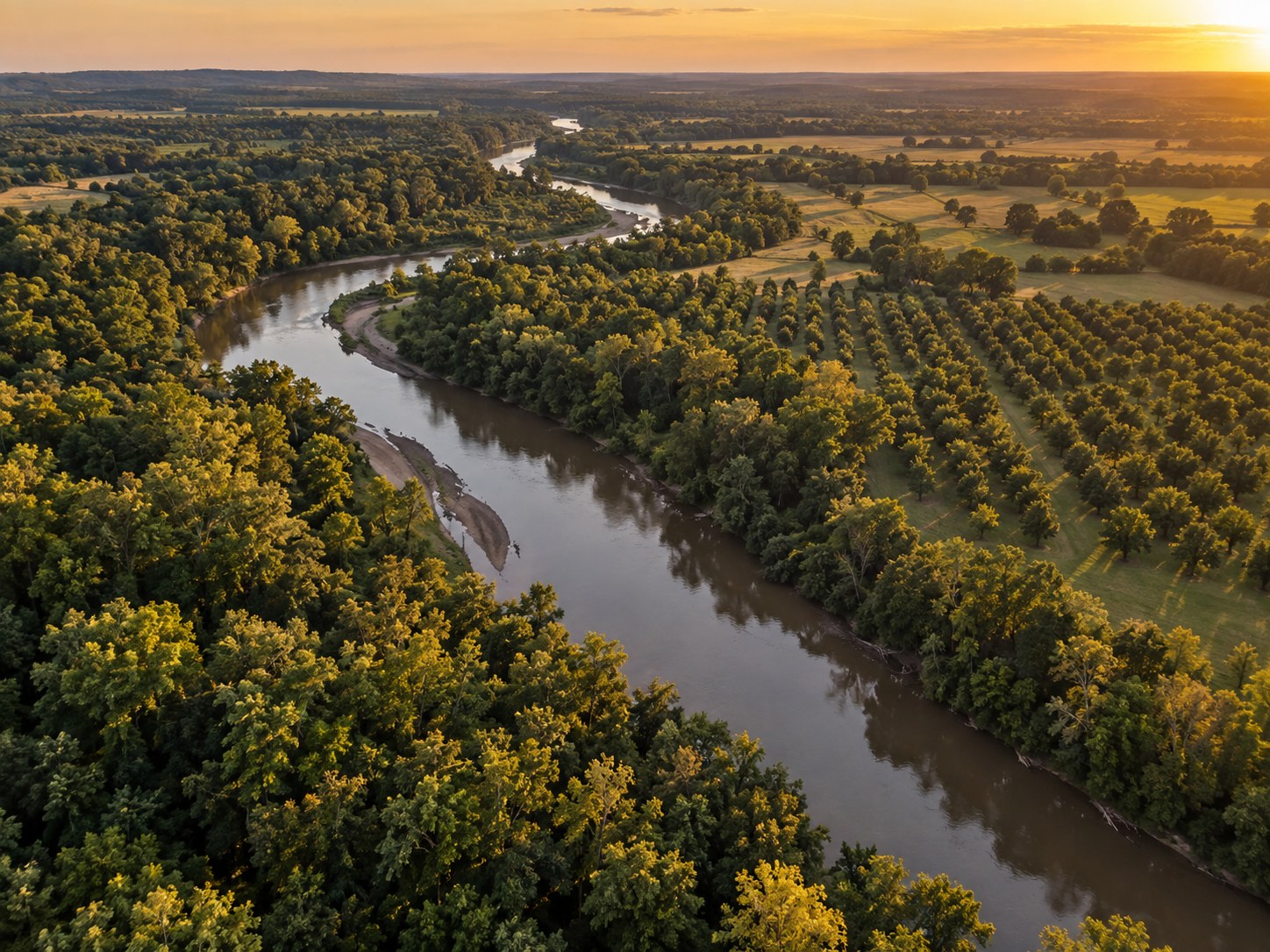
Everything here is grown or raised inside the Chickasaw Nation treaty territory, on farms that are mostly small by USDA’s own definition — 92% of them. The programme exists to get those products a fair price and a wider market.
The only nut tree native to North America. Harvested each January across more than 23,000 acres of native groves in the territory, and the anchor commodity of the incentive programme.
Small-acreage and greenhouse produce, nursery stock and native plants — sold through farm stands and the farmers markets that run across the territory each season.
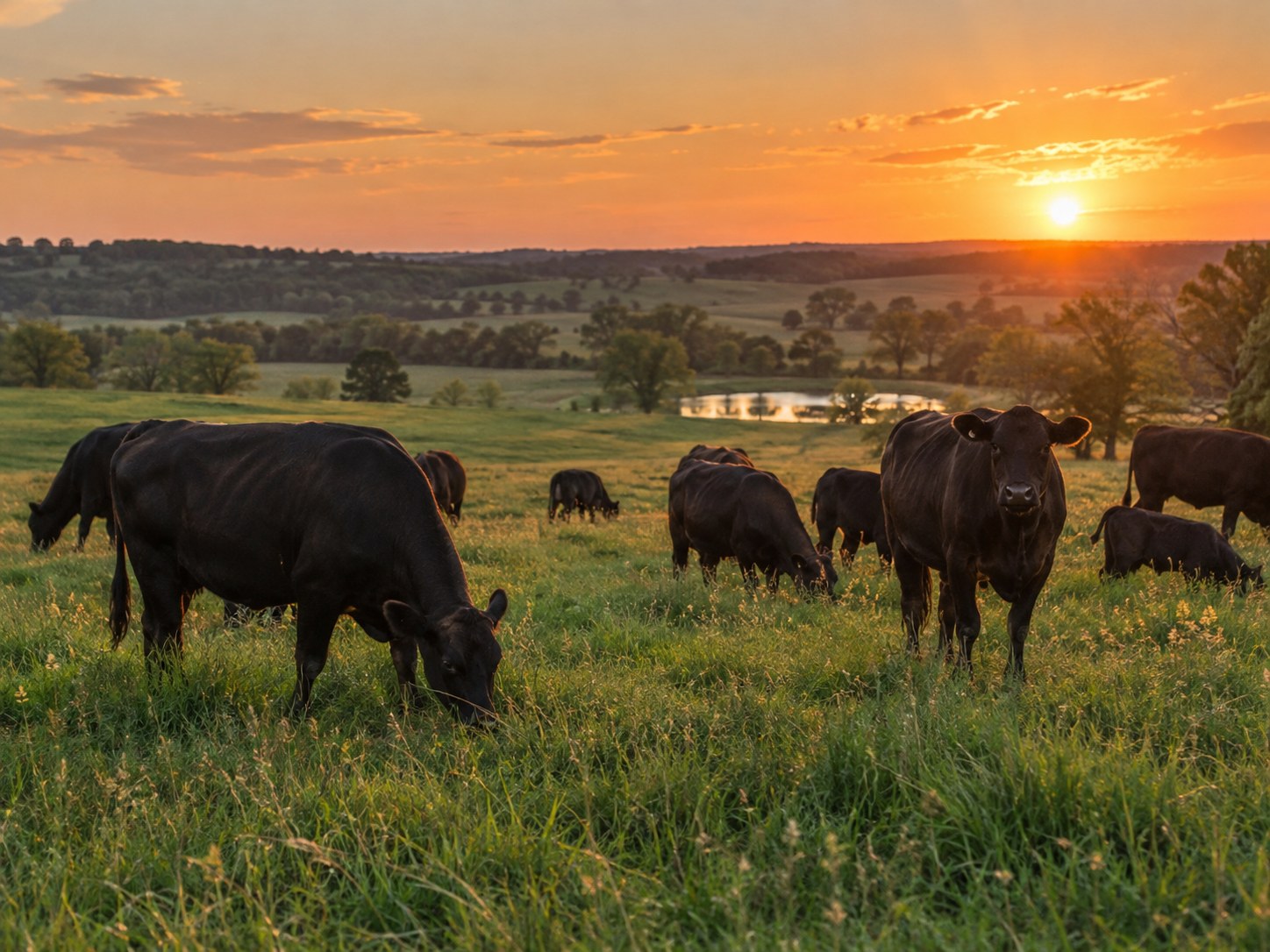
Pasture-raised beef, pork and eggs from producers managing grazing ground, where rotation and stocking practices are part of what the programme supports.
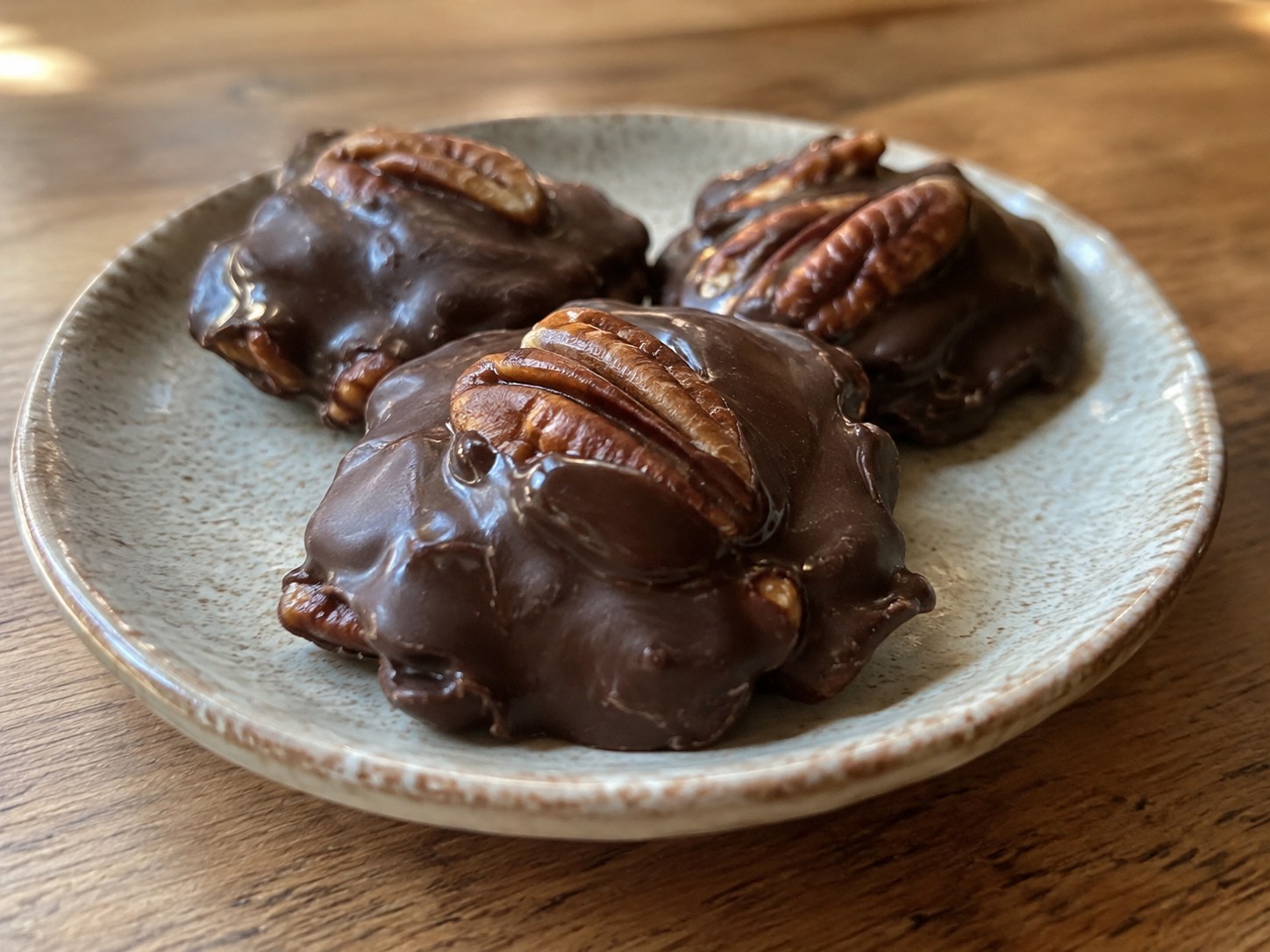
Jams, jellies, baked goods and confections made from what is grown here. Bedré Fine Chocolate, the Chickasaw Nation’s own chocolate company, sources pecans from this programme.
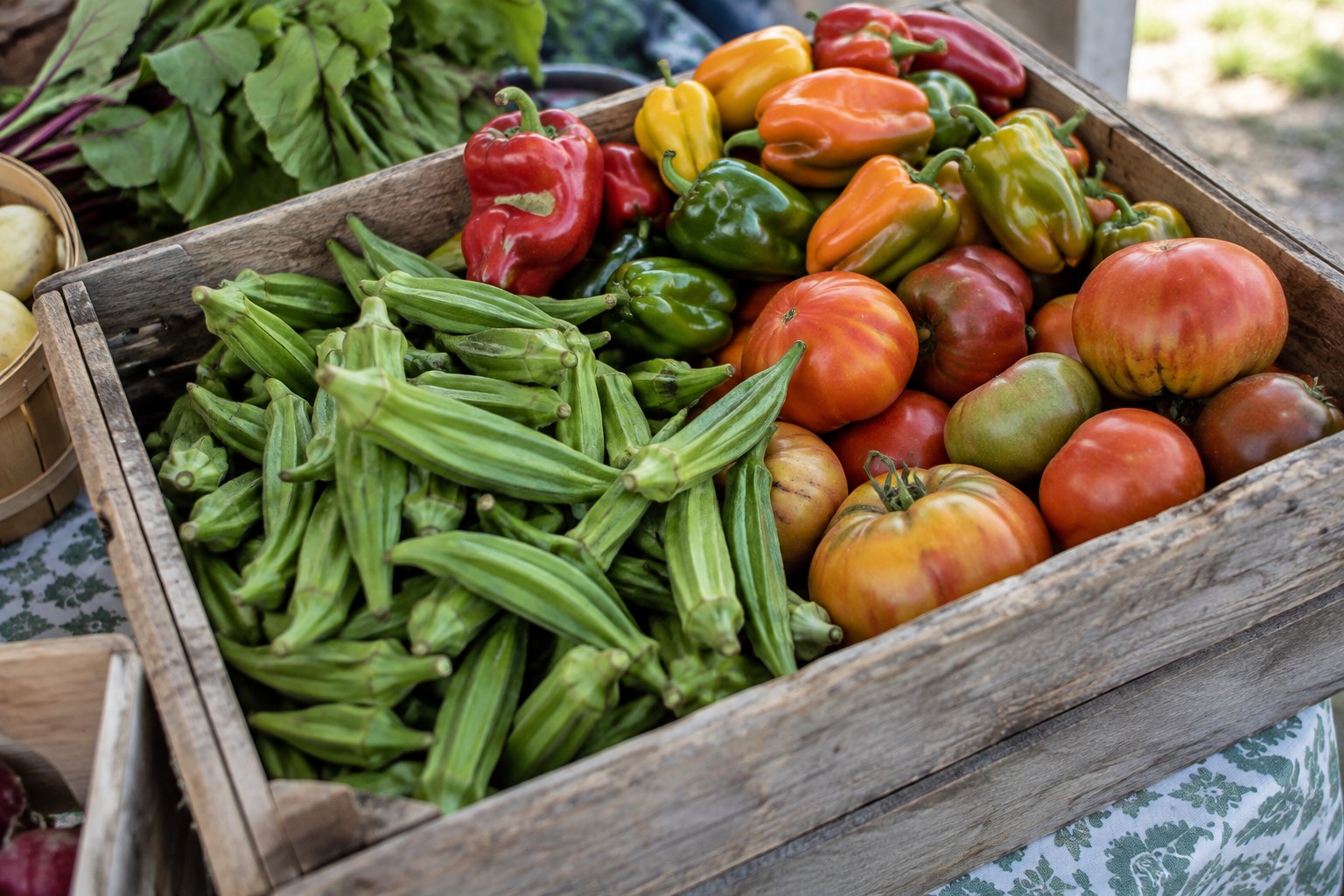
Pecans are a winter product, harvested and sold from January. Spring brings berries, fruit and nursery stock. Summer is the height of the specialty-crop season across the markets. Autumn is livestock. Value-added goods run all year, which is exactly why they matter — they give a producer income outside their growing season.
Products reach buyers through farm stands on the producer’s own ground, the farmers markets running through the Chickasaw Nation Farmers Market programme, established statewide pecan markets via the Oklahoma Pecan Growers Association, and value-added channels like Bedré. The award also sets aside $475,000 specifically to market climate-smart produce from this territory.
One territory, four families
Everything in the programme comes off farms inside the Chickasaw Nation treaty territory — most of them small by USDA’s own definition. The job is getting those products a fair price and a wider market.