$2.4M to producers
Paid directly to pecan and specialty-crop farmers as an above-market incentive.
The award behind the work
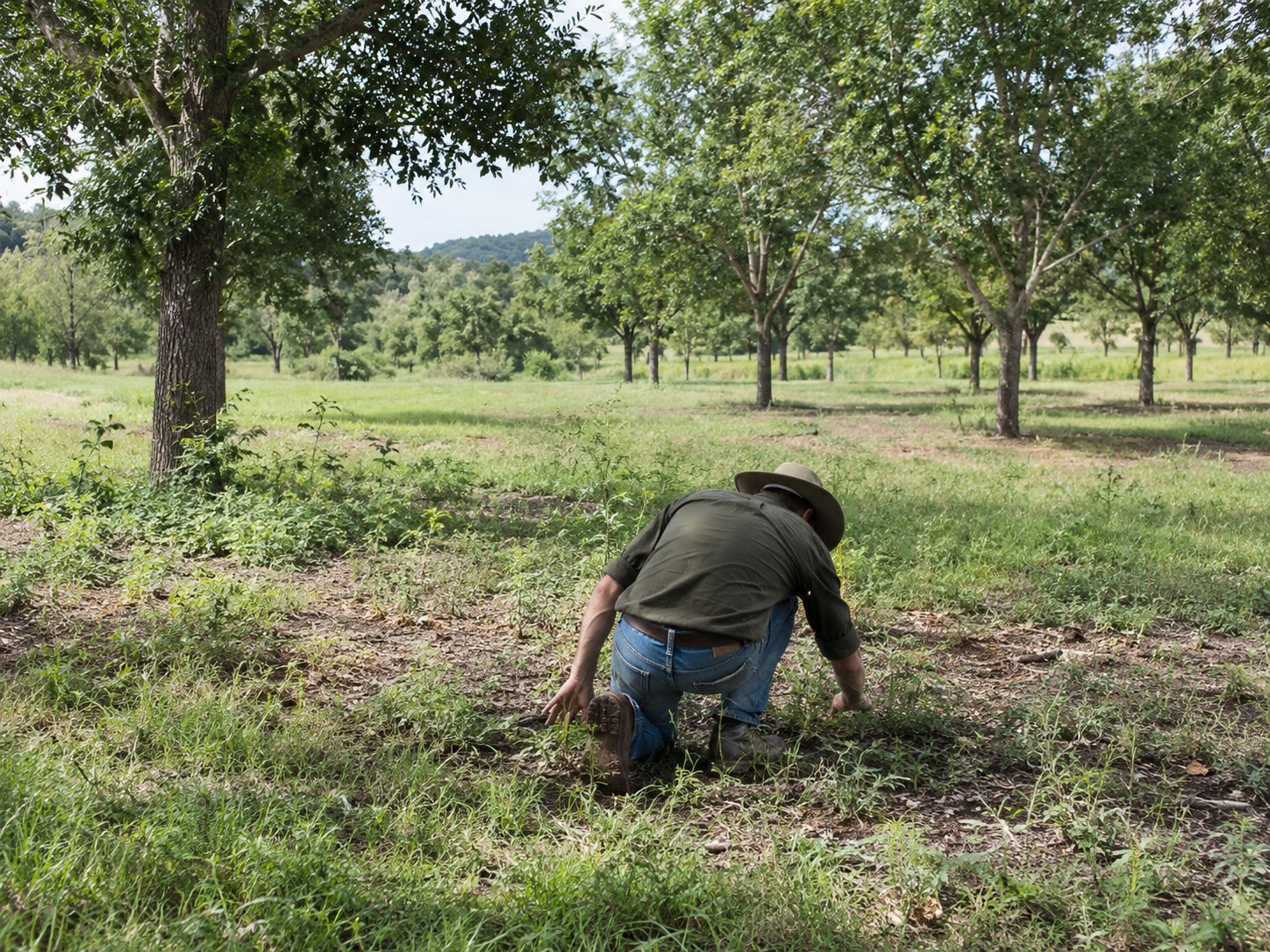
Advancing Markets for Producers is funded by a five-year USDA Partnerships for Climate-Smart Commodities award held by the Chickasaw Nation Office of Natural Resources.
The programme’s official title is “Climate Smart Commodities and Market Development within the Chickasaw Nation: Restoring Power to Small Farmers and Communities Through Pecan and Specialty Crop Engagement.”

The Chickasaw Nation treaty territory is home to 2,363 underserved farmers and 5,608 new and beginning farmers (NASS 2017). 92% of farmers here meet the USDA definition of a small farmer, and Oklahoma is the second largest state in the country for First American farmers.
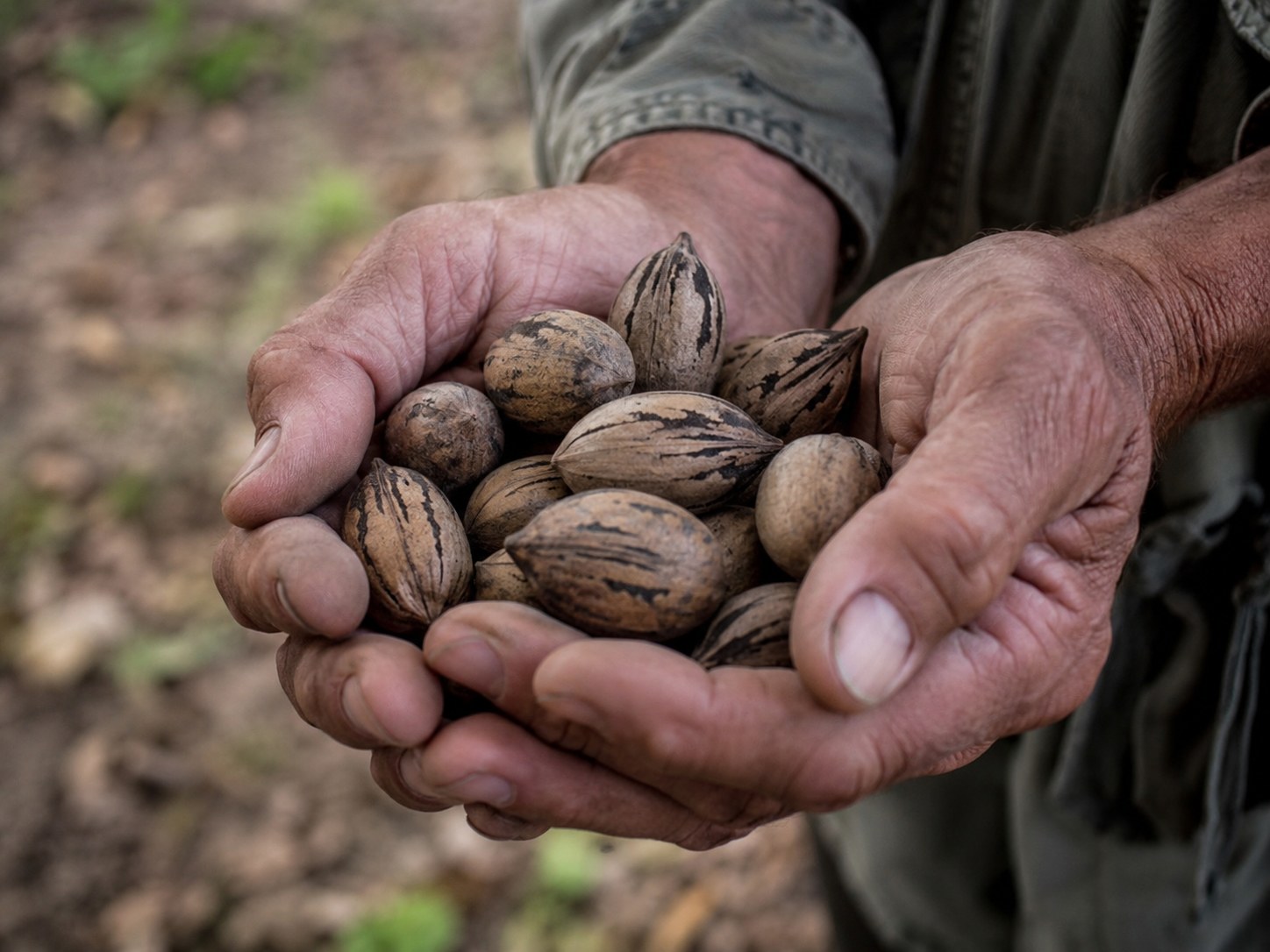
More than 23,000 acres of native pecan farms sit within the territory. The Chickasaw Nation contributes 364 acres of its own pecan production to the programme.
Paid directly to pecan and specialty-crop farmers as an above-market incentive.
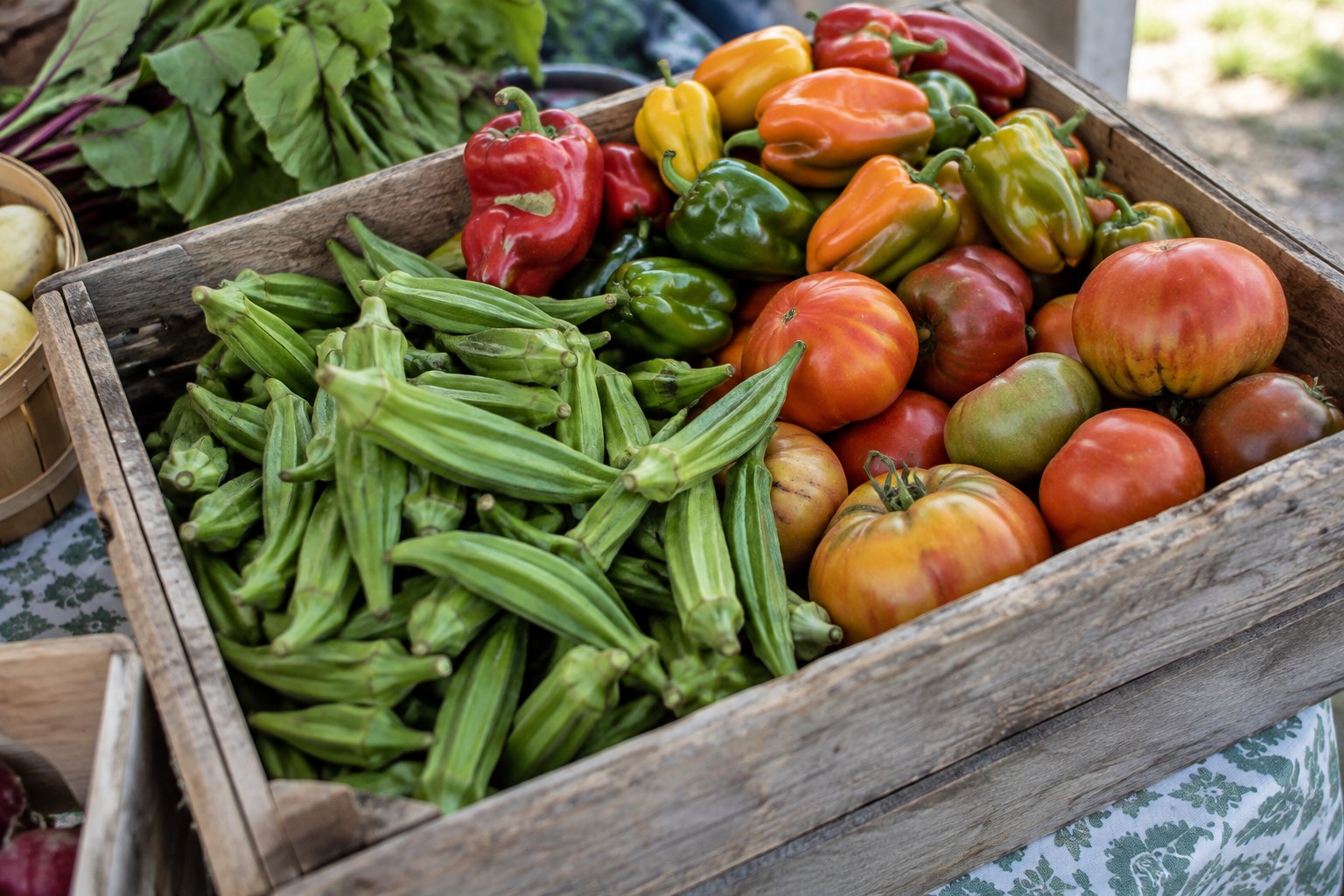
Bringing climate-smart produce from this territory to wider markets.
Murray State College students receive $5,000 each through the award.
Agriculture IT, Farm & Ranch Business Technology and Horticulture Technology.
The programme is led by the Chickasaw Nation Office of Natural Resources under Governor Bill Anoatubby, delivered with Murray State College under President Dr Tim Faltyn, and supported in the field by the Oklahoma Conservation Commission under Executive Director Trey Lam.
Partners named in the award include Murray State College (Tishomingo and Ardmore), the Oklahoma Conservation Commission, the Oklahoma Association of Conservation Districts, the Arbuckle Conservation District, the Oklahoma Pecan Growers Association, the Oka’ Institute at East Central University, the Lake of the Arbuckles Watershed Association, the Blue River Foundation of Oklahoma, the City of Ada, local NRCS field staff and Bedré Fine Chocolate.
The award’s own title states the intent plainly: restoring power to small farmers and communities. In a territory where 92% of farms are small, where there are 2,363 underserved farmers and 5,608 who are new or beginning, and where Oklahoma ranks second in the nation for First American farmers, the barrier is rarely willingness to farm well — it is price, market access and the cost of changing practice.
So the programme pays for the practice directly. A verified producer earns $0.30 per pound above market on up to 20,000 lbs, every January after harvest. That is a real premium on ground families have farmed for generations, not a grant application most small producers will never have time to write.
A producer enrols the specific ground they farm, identified by their existing FSA Farm, Tract and Field records. Fields are then verified with WORMS — Working on Regenerative Management Systems — a field-data tool built on ESRI Survey123 by Oklahoma NRCS and the Oklahoma Conservation Commission, which records water infiltration, ground cover, soil structure and biomass. Verifiers are trained through Murray State College’s certification course, which means the people checking the ground are trained locally, not flown in.
The same award builds the pipeline of people who will do that work: three new associate degree pathways at Murray State College — Agriculture IT, Farm & Ranch Business Technology and Horticulture Technology — with up to 40 new student places a year and 45 scholarships of $5,000.
$475,000 of the award is set aside to market climate-smart produce from this territory, and the Southern Oklahoma Urban and Small Farm Hub on Murray State’s Ardmore campus gives producers somewhere physical to go for technical assistance, farm planning, training and mini-grants — alongside a farmers’ market and a teaching kitchen.
“By bringing together state agencies, tribal government, higher education, and nonprofit expertise, we are creating a space where conservation, agriculture, and community health intersect.”Trey Lam, Executive Director, Oklahoma Conservation Commission
This site is an independent RFP demonstration built by Royal Empire Multimedia. It is not operated by or affiliated with the Chickasaw Nation. Every figure, name and programme detail on it is drawn from the executed USDA grant agreement and public sources — nothing has been invented to fill a gap. Where something would need programme staff to confirm it, the page says so rather than guessing.
How it works
A producer enrols the exact ground they farm, identified by their existing FSA Farm, Tract and Field records. Fields are then verified with WORMS — a field tool that records water infiltration, ground cover, soil structure and biomass.
From enrolment to payment
Beyond the payment
Three new degree pathways at Murray State College, verifier certification, and the Southern Oklahoma Urban and Small Farm Hub — technical assistance, farm planning, a farmers’ market, a teaching kitchen and mini-grants.