
Four kinds of work, one professional crew standard.
Landforce Crews provide land stewardship services that enhance, reclaim and maintain land assets such as parks, land trusts, vacant land, land banks and greenways. At the same time, Crew Members gain employment experience, work on overcoming barriers, identify career interests and build a pathway to their own futures.
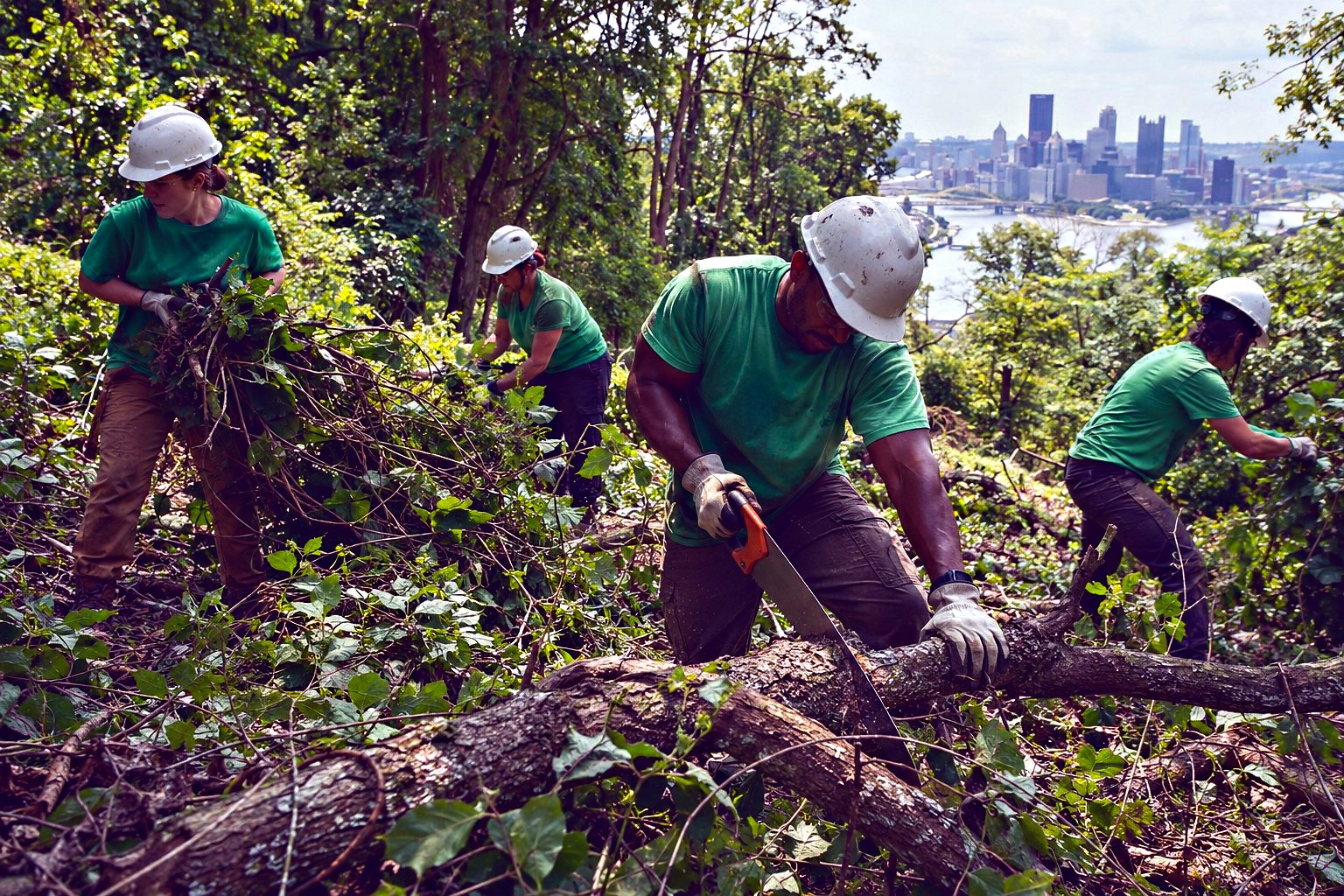
With almost 45,000 vacant lots and well over 10,000 acres of parks and land trusts, Allegheny County is home to important open space. All that space must be maintained to retain and increase its value, and to allow everyone to benefit from it. If you don’t see your needs on this page, just tell us about your project. We love teaching our crew members new skills.
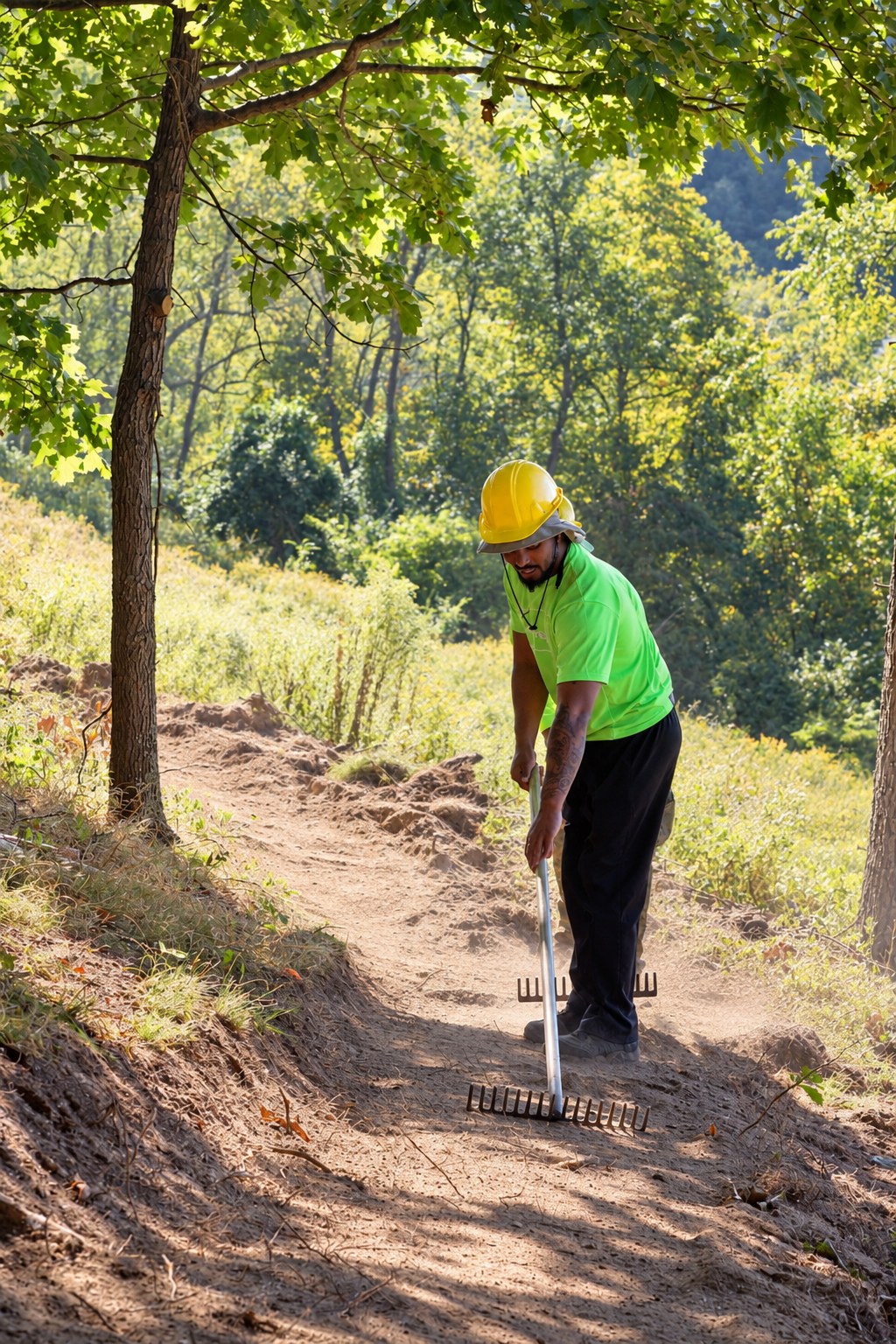
Trail construction & upgrades
Working from a trail plan that you provide, Landforce can either assist with creating a flag line for our crews to follow or work from one that you and your experts have already established.
Creating new trails
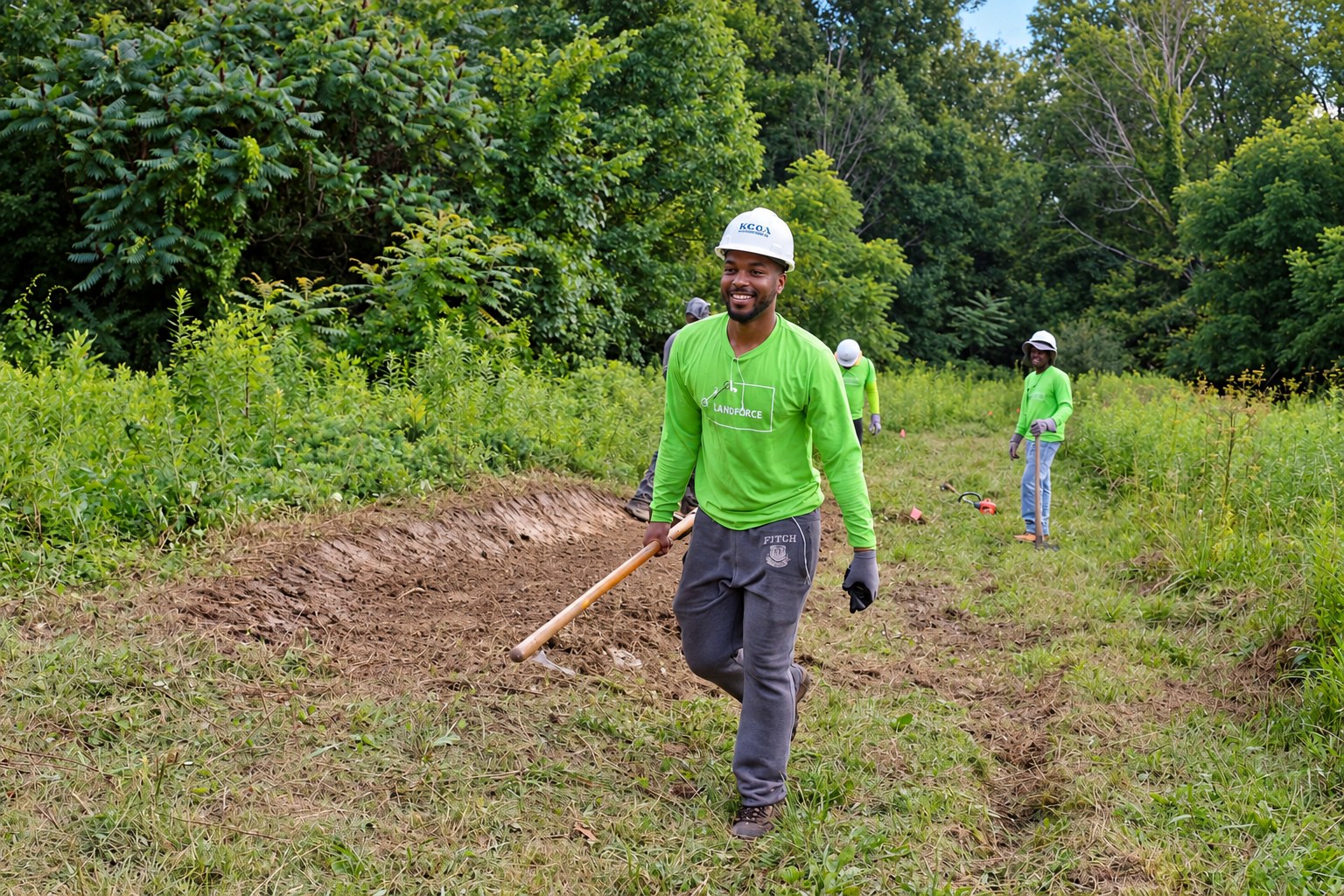
Our crews begin by brushing away excess vegetation and removing any obstacles to a clear and safe trail experience. From there we shape the ground to match the natural contours so that drainage and frequent, year-round use do not corrupt the long-term integrity of the trail. Where a trail traverses a steep hillside we dig deeper to establish a sturdy tread, and control the grade so users get a comfortable walk without steep inclines.
Maintaining and rerouting existing trails
Crews maintain existing trails by removing fallen debris such as branches and leaves, which act like a sponge, hold moisture and create a degraded, muddy tread. We can also reroute trails away from a problem area to terrain better suited for longevity and sustainability.
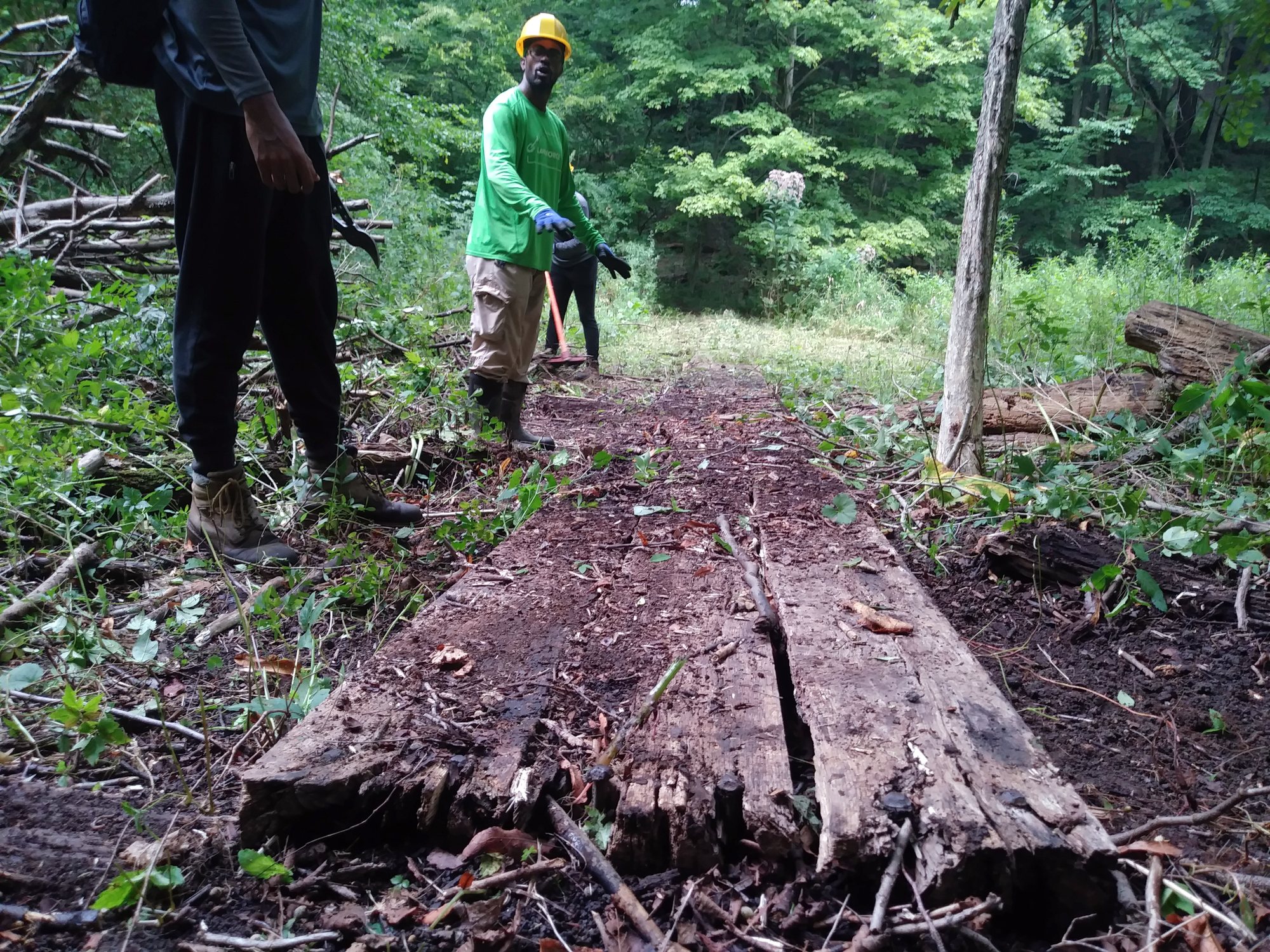
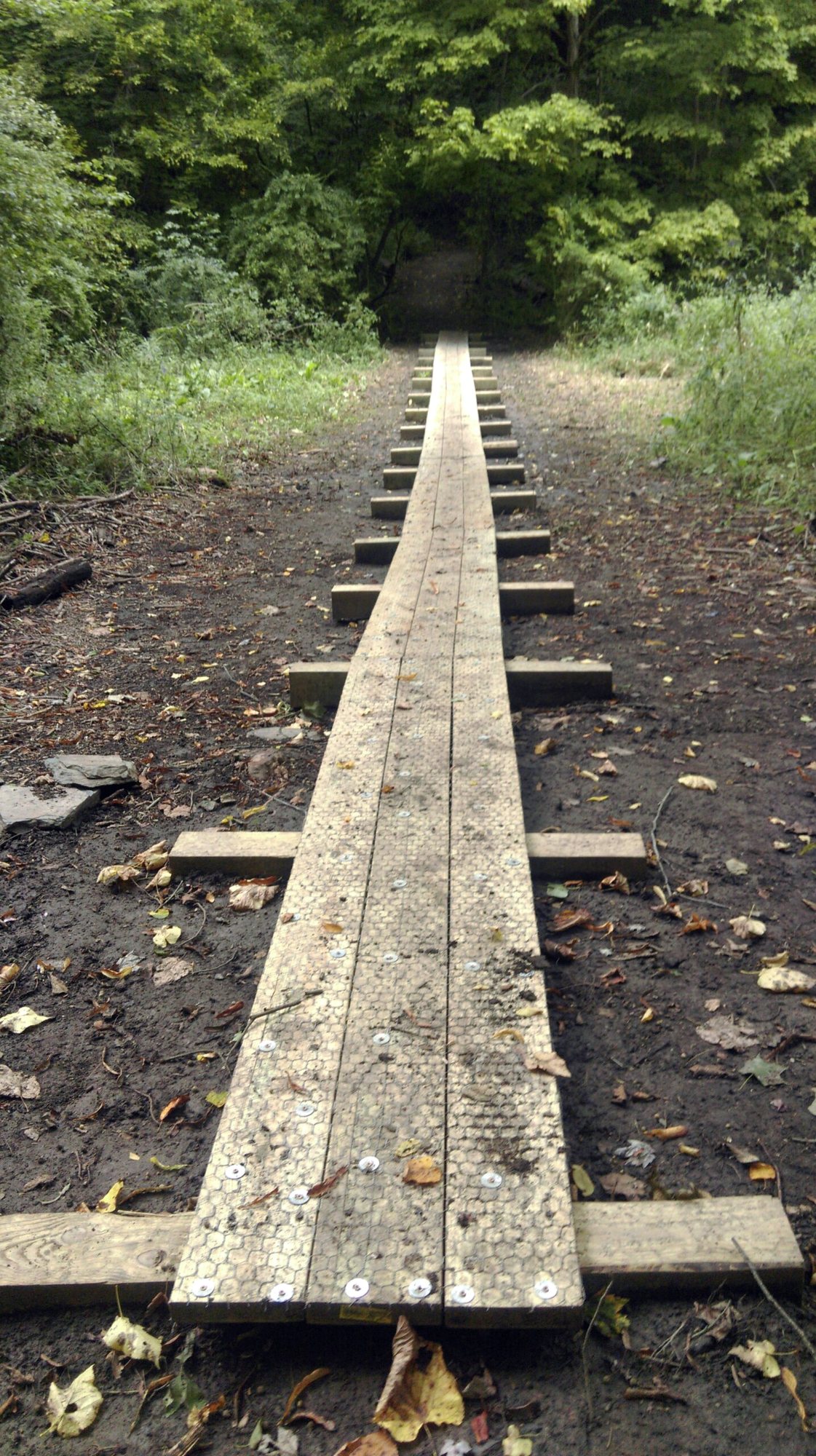
Recent examples: Crouse Run Nature Reserve boardwalk replacement, Emerald View Park, Dead Man’s Hollow, South Side Park and the Brandt Trail in McCandless.
Vacant land management & stabilization
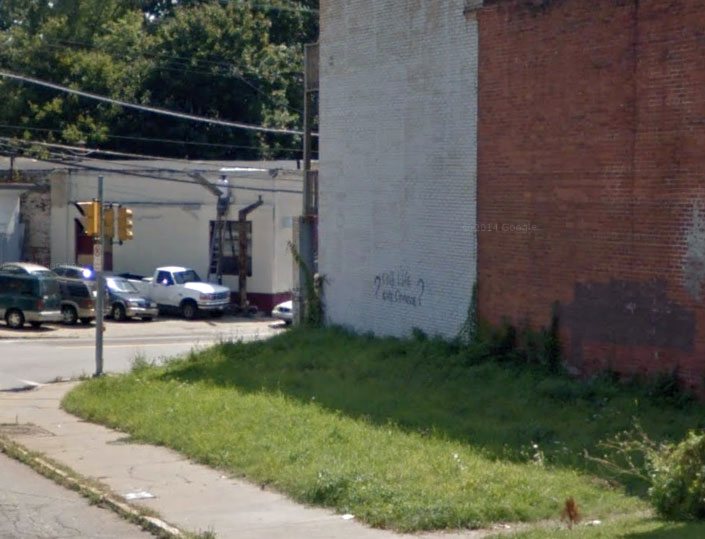
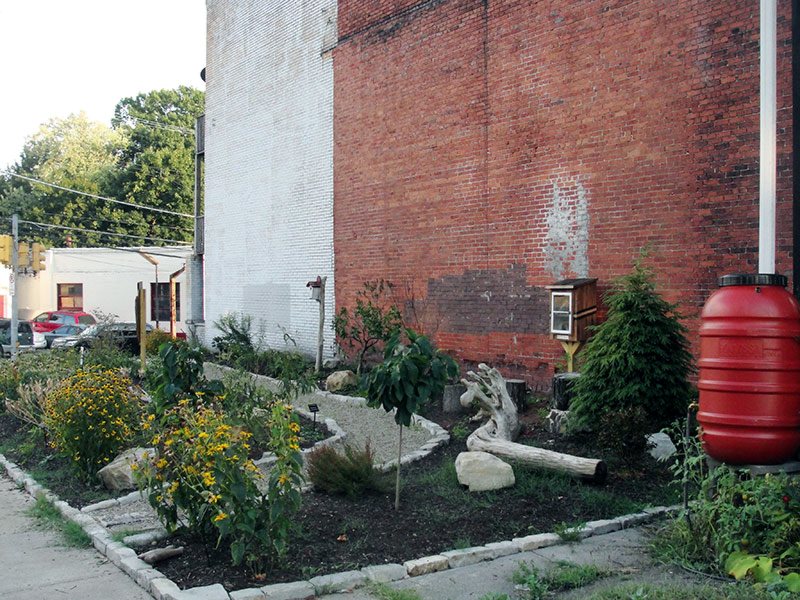
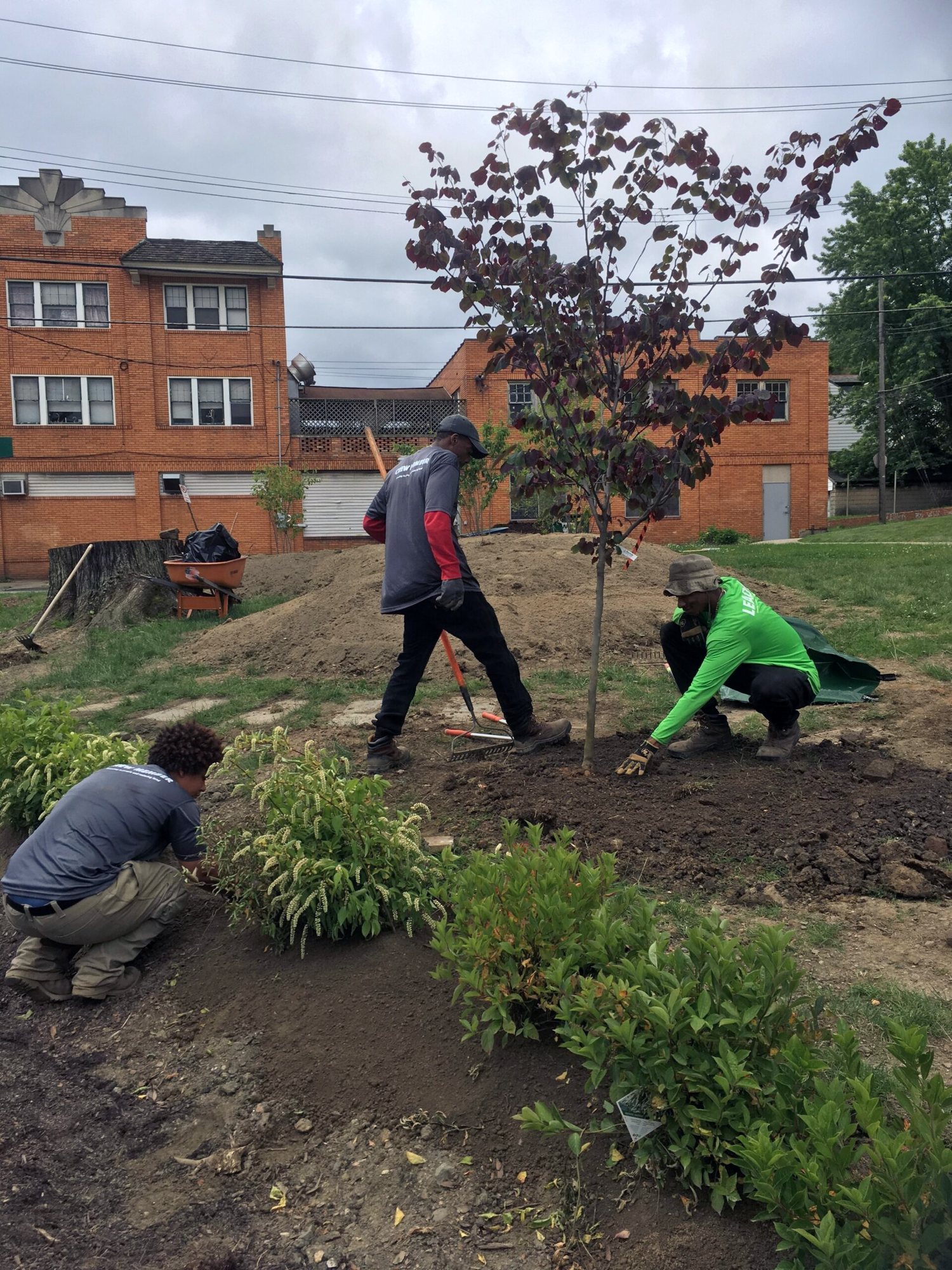
A Landforce Crew can work to your specifications to manage and stabilize vacant land through initial site improvements and maintenance services.
Vacant lots are common by-products of older urban neighborhoods that have faced a declining population. Many act as garbage piles, crime scenes and impediments to redevelopment. How you stabilize and manage a lot depends on its size and characteristics; each one is an opportunity to add economic and social value to its neighborhood. We collaborate with Lots to Love and GTECH Strategies on many vacant land projects.
Site improvements
- Removing dumped items and vegetated overgrowth
- Planting grass, trees or flowers
- Installing simple structures such as fences or benches
Maintenance services
- Cutting grass
- Keeping vegetation well maintained
- Watering plants
- Other services as necessary
Habitat restoration
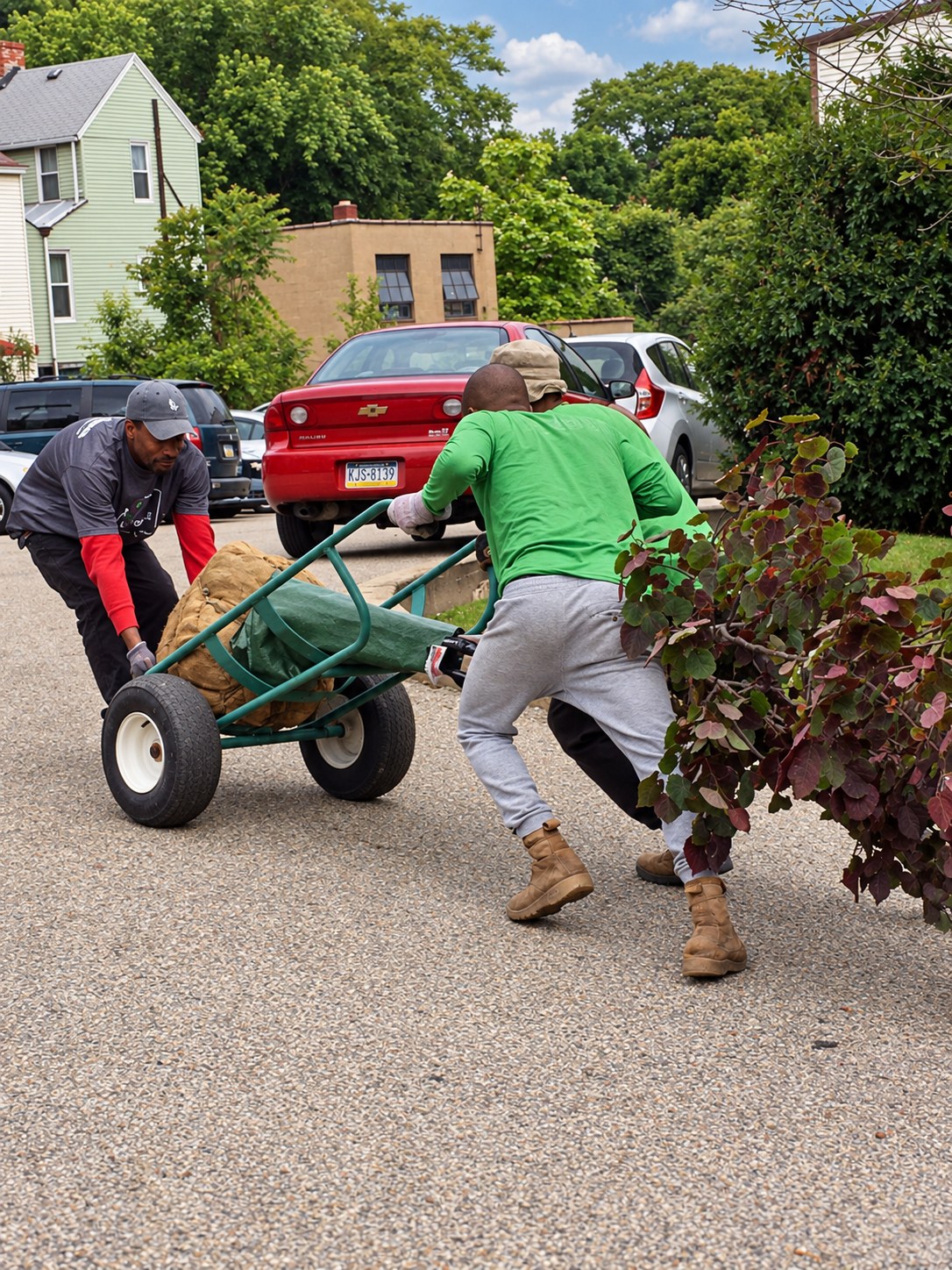
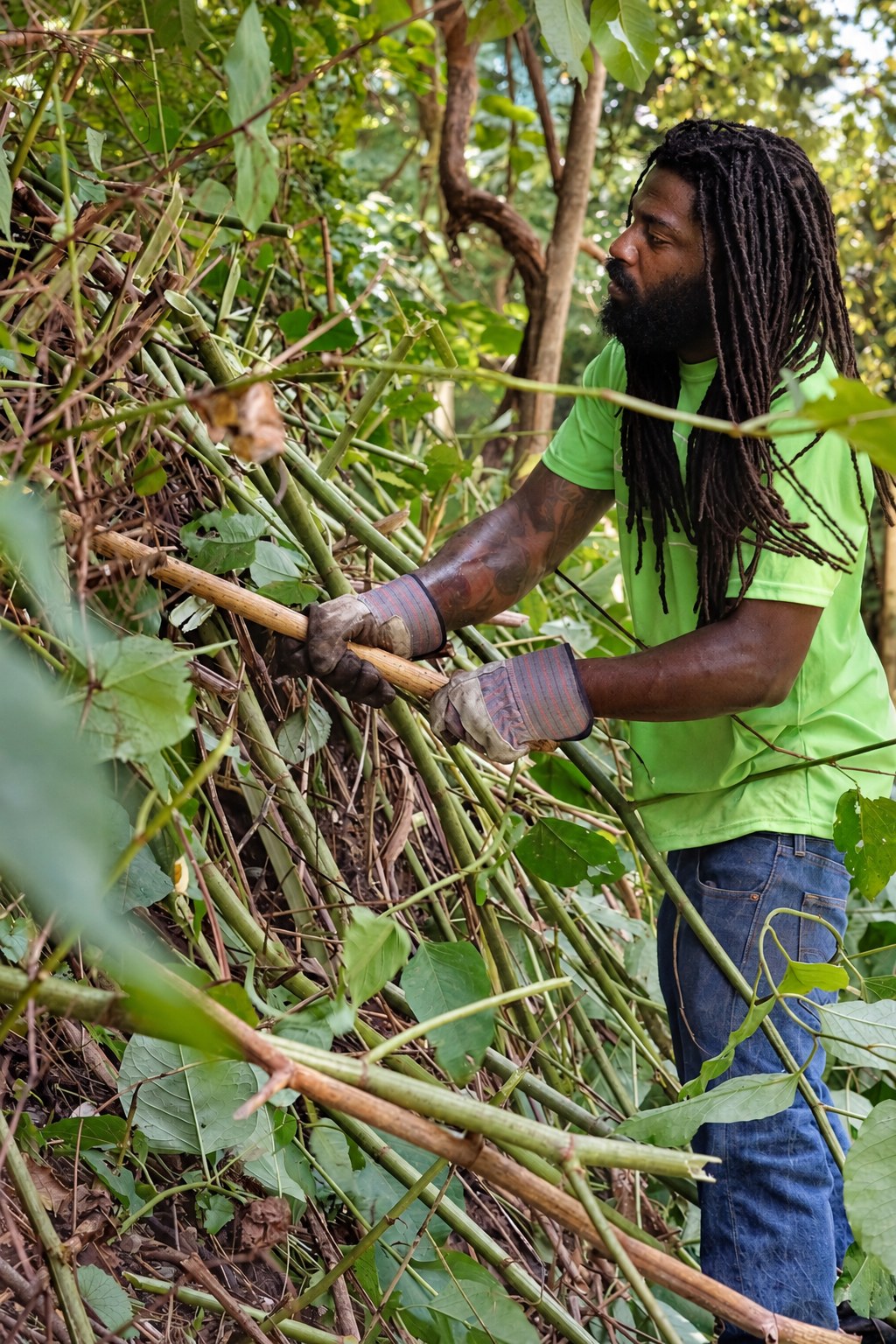
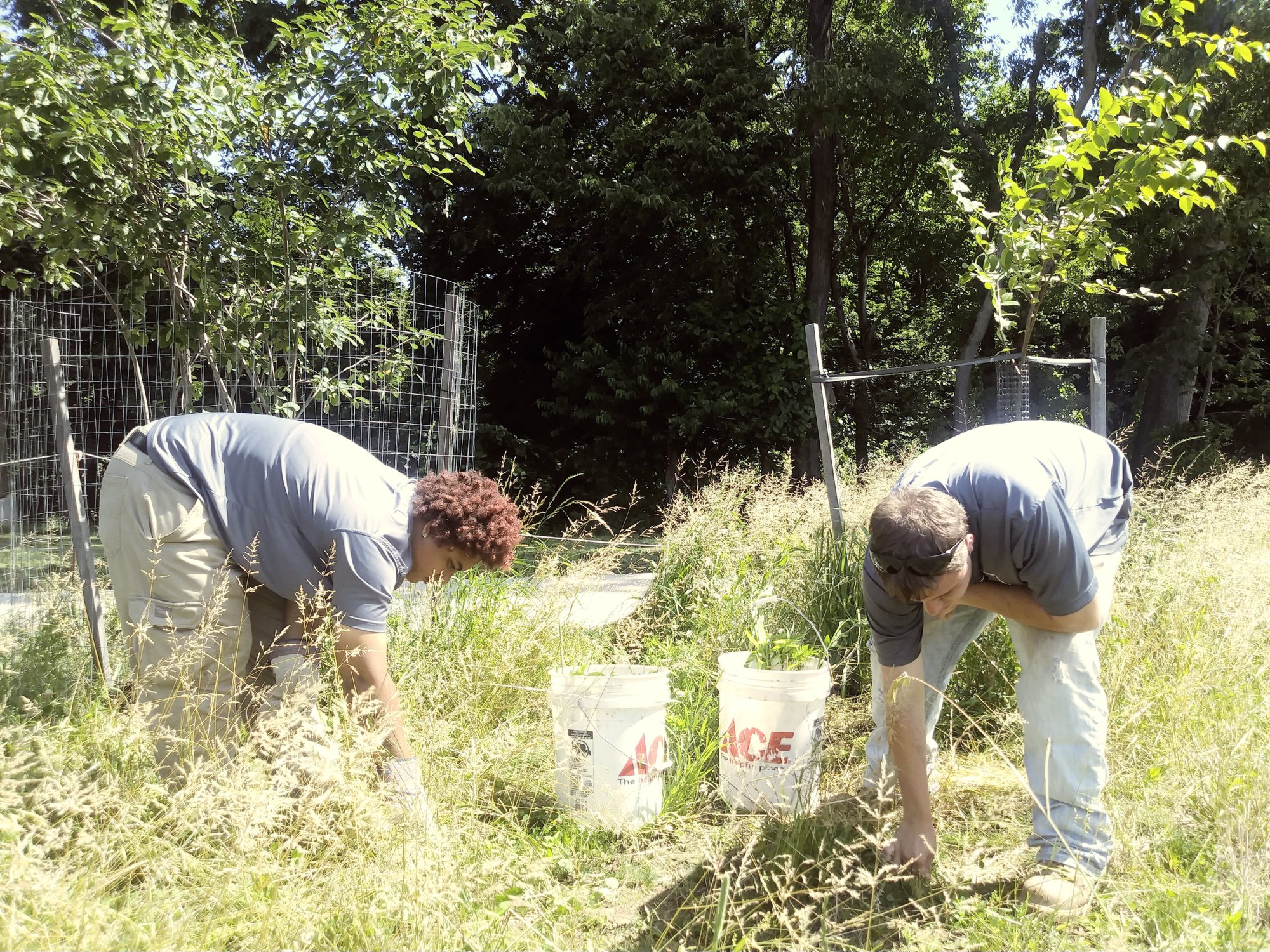
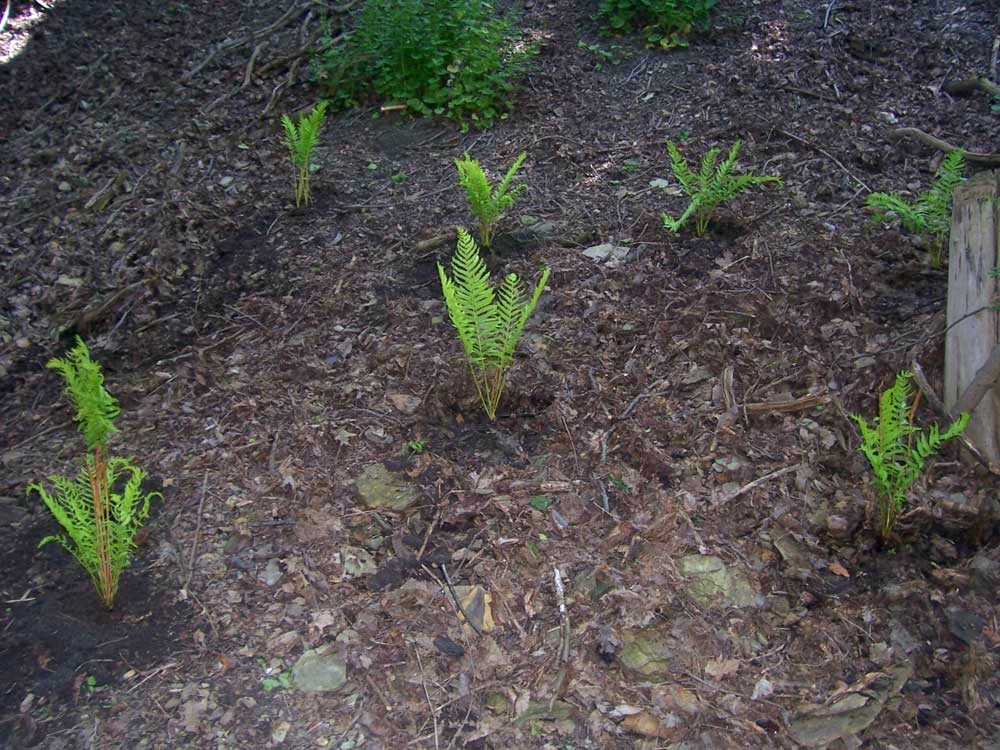
Landforce Crews can work with you to restore degraded habitats by cleaning out dumpsites, cutting and removing vines and other invasive plants, planting new trees, shrubs or plants, caring for those trees, and building deer exclosures and other fences.
The hillsides of southwestern Pennsylvania reflect a long history of land use that has left significantly degraded environments, whether from deforestation, mining, illegal dumping or the introduction of invasive species. Our woodlands can be infested with vines, our streams polluted with mine and stormwater runoff, and our hillsides littered with tires, rusted cars and shopping carts.
Working from a restoration plan, we provide the trained and knowledgeable labor to reach your goals. In 2025 crews planted 755 trees with the Pittsburgh Canopy Alliance, the most in a single year in Landforce history.
Stormwater & green infrastructure management
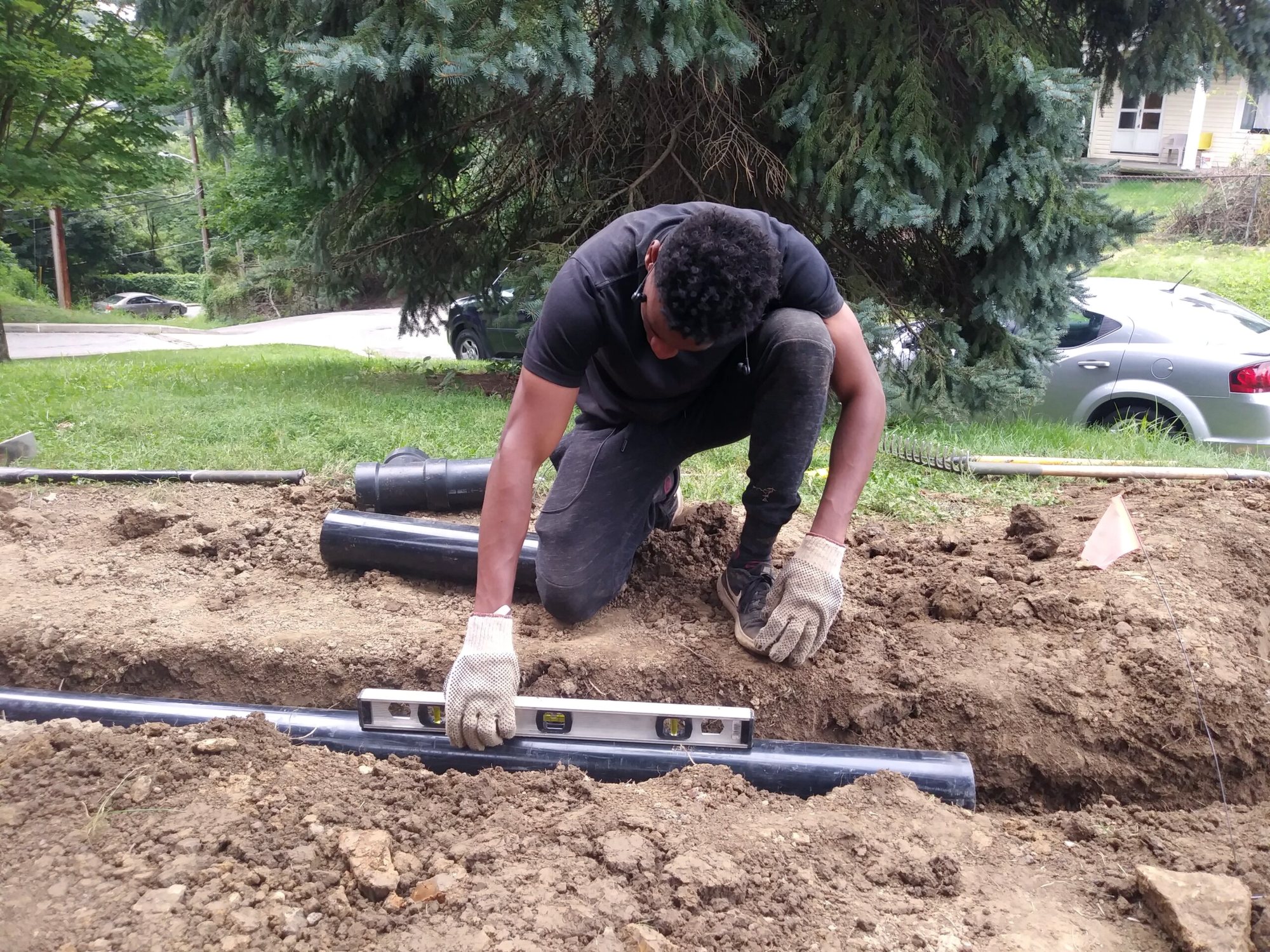
Trained Landforce Crews are available to help install or maintain rain gardens, bioswales and other stormwater and green infrastructure projects.
Our crews work with your designers and managers to ensure that projects are carefully installed, that plants receive enough water until they are established, that only undesirable plants are removed, and that infiltration systems stay clear of debris. Staff hold the National Green Infrastructure Certification.
Green infrastructure is an approach to water management that protects, restores or mimics the natural water cycle: rain gardens, permeable pavement, green roofs, infiltration planters, trees and tree boxes, and rainwater harvesting. The Pittsburgh region expects a large increase in projects designed to manage stormwater and reduce the untreated sewage and stormwater overflowing into our streams and rivers.
Recent examples: Homewood North Rain Garden with Storm Works; Hazelwood Green with JLL Pittsburgh.
Have a project in mind?
Send the location, type of work, land type, planning stage and timeframe. Thomas Guentner, Director of Land Stewardship, follows up.